
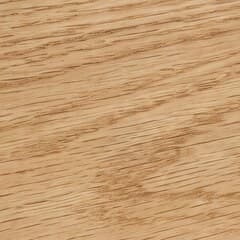
- Prefer to pick the finish yourself?Open the Swan Neck Wall Light43 finishes on one page
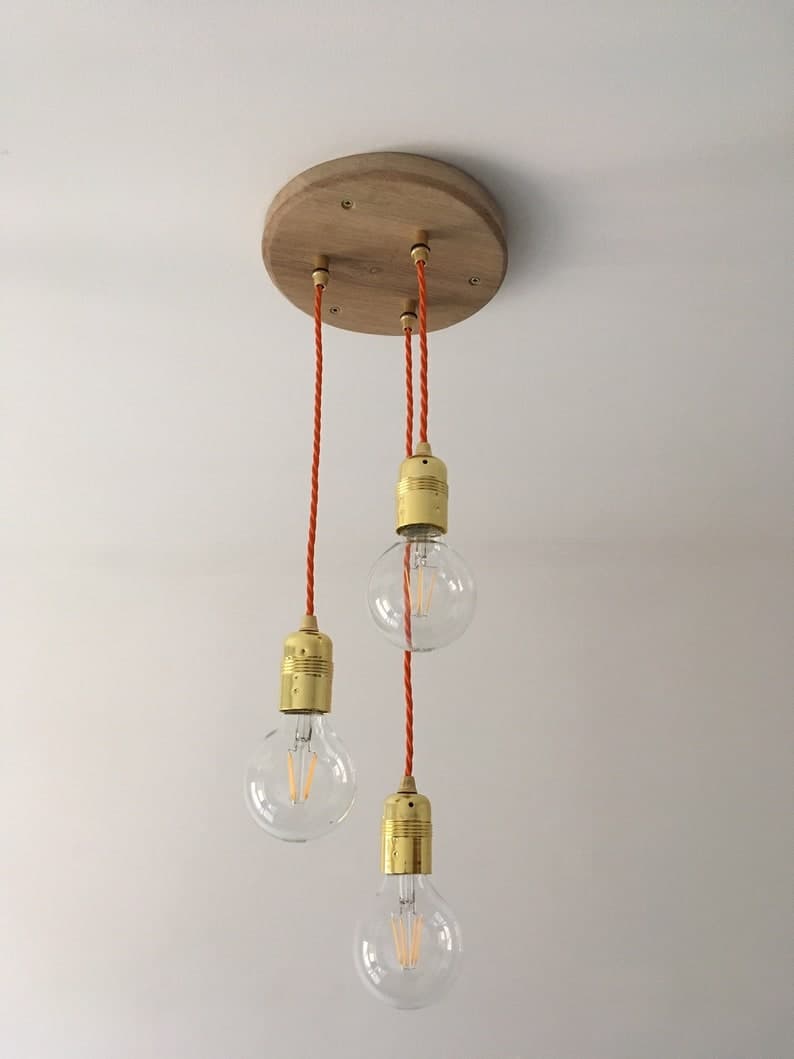
- Prefer to pick the finish yourself?Open the Pendant Light on a Turned Wood Ceiling Rose9 finishes on one page
Showing 52 of 52
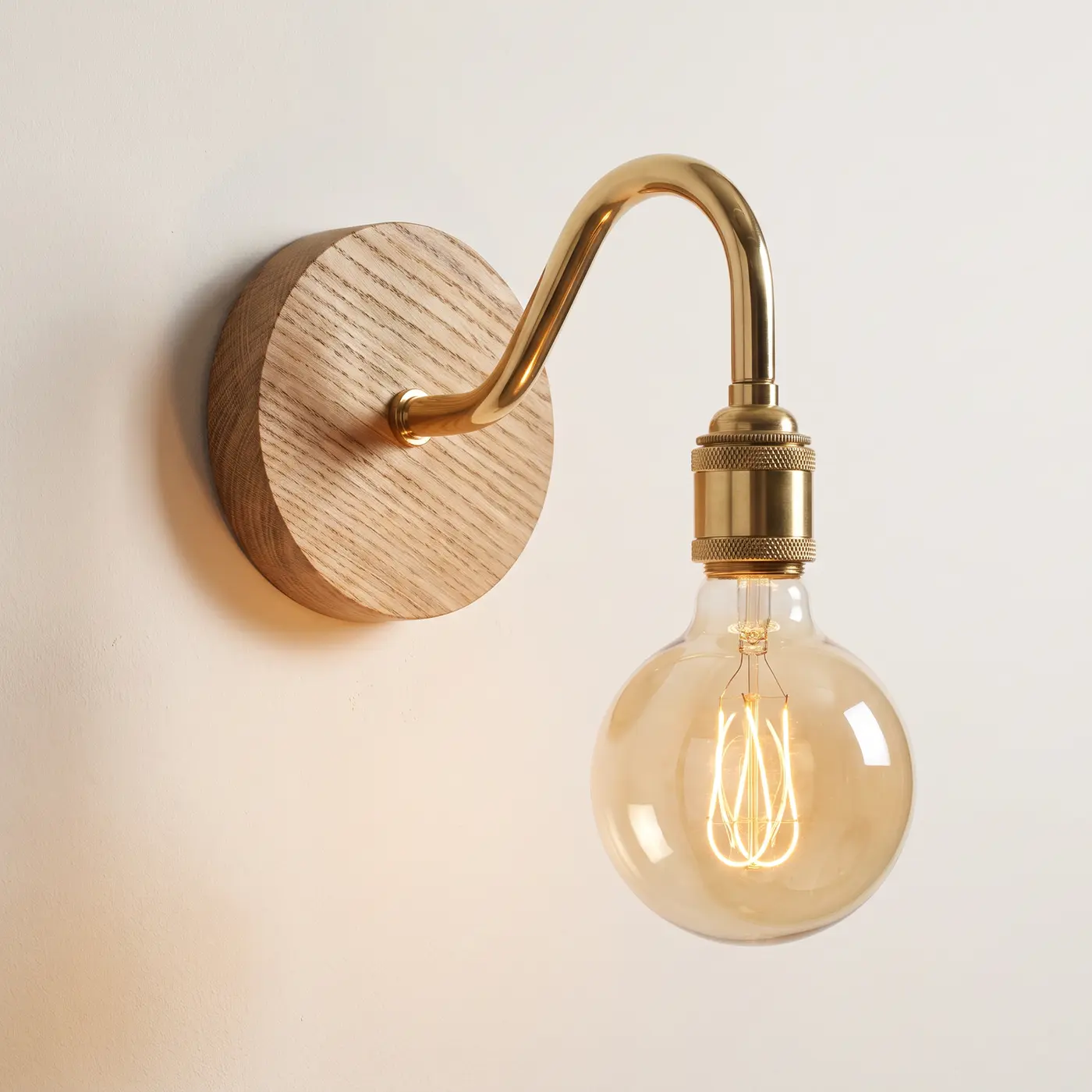
brass on natural oak
Swan Neck Wall Light
£95.00
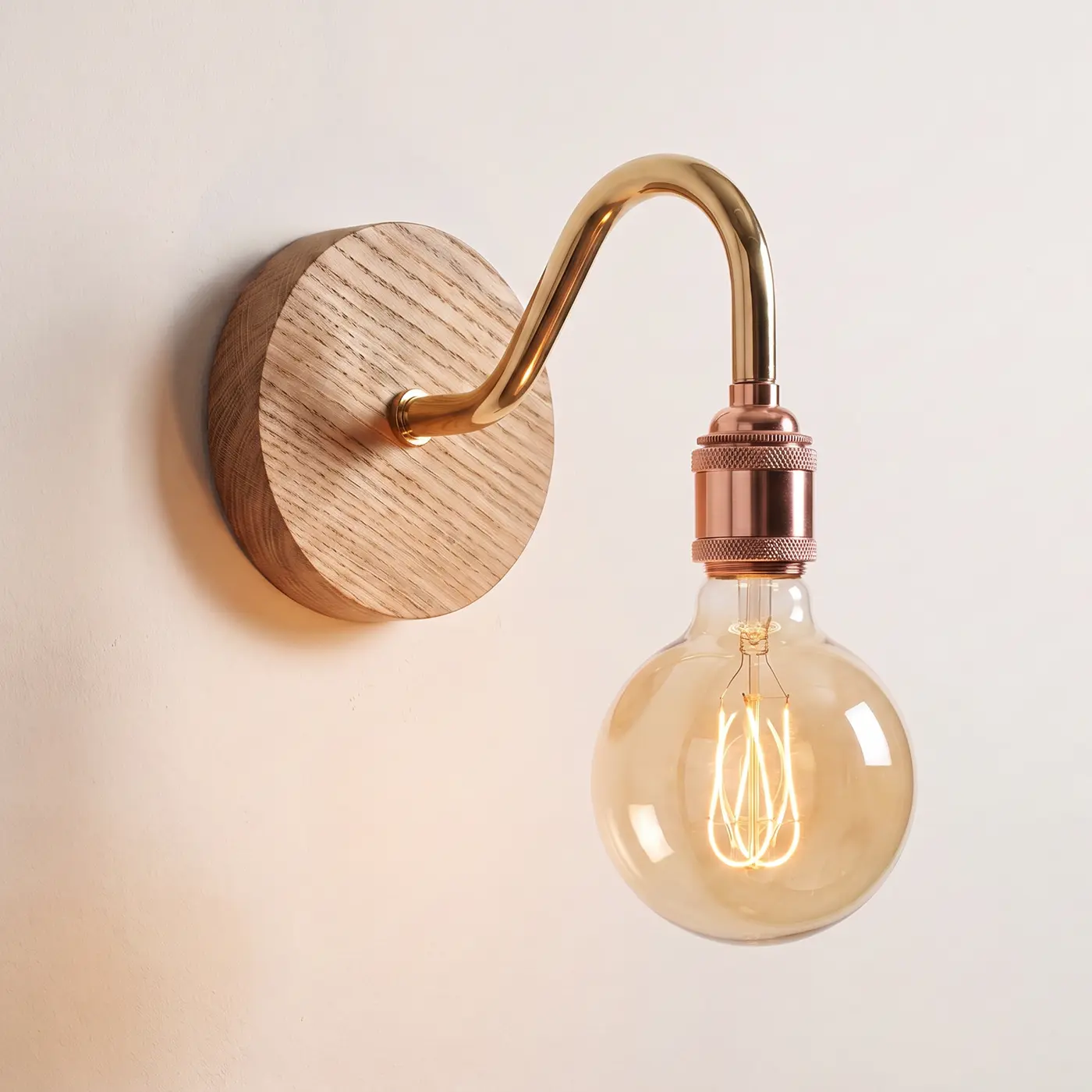
brass and copper on natural oak
Swan Neck Wall Light
£95.00
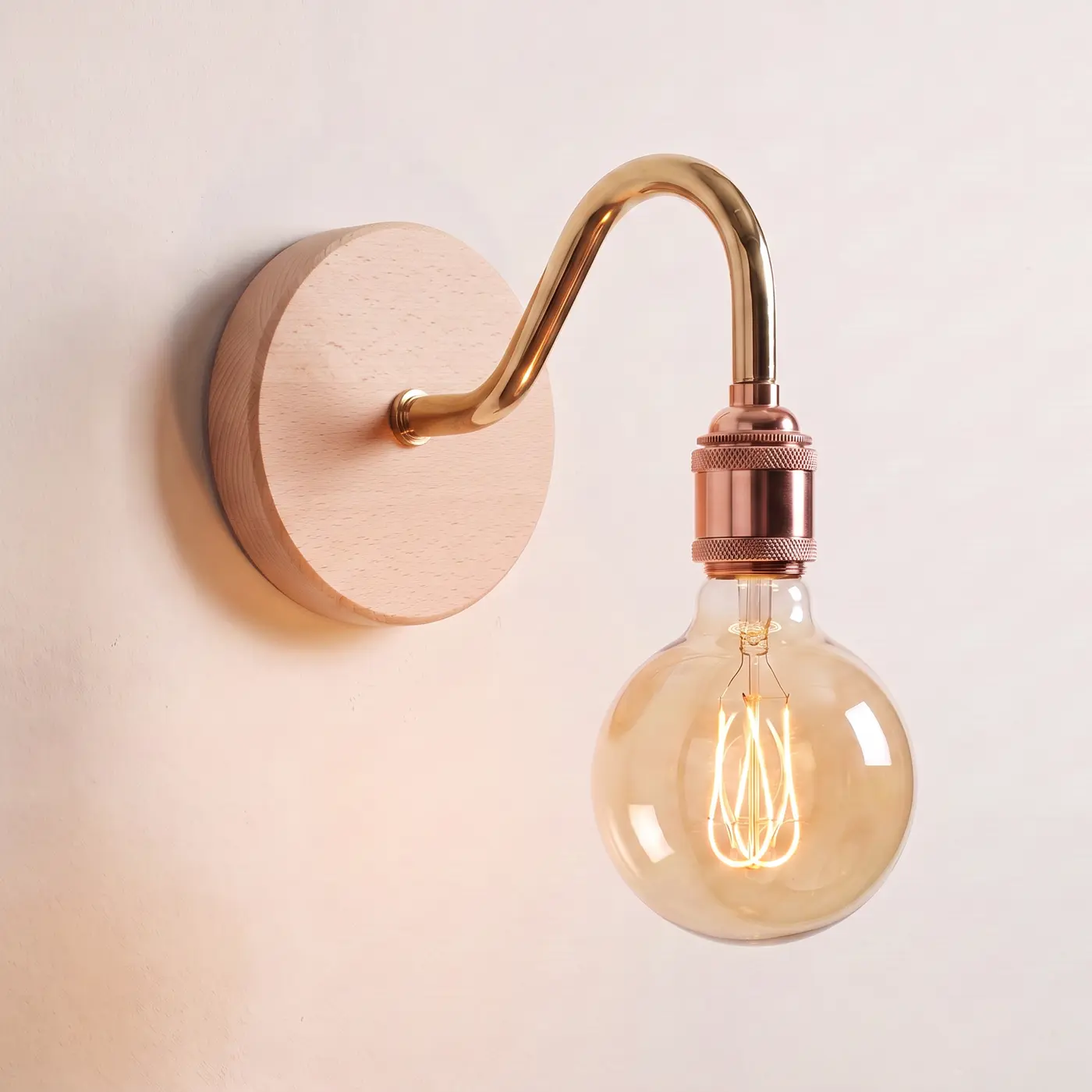
brass and copper on beech
Swan Neck Wall Light
£95.00
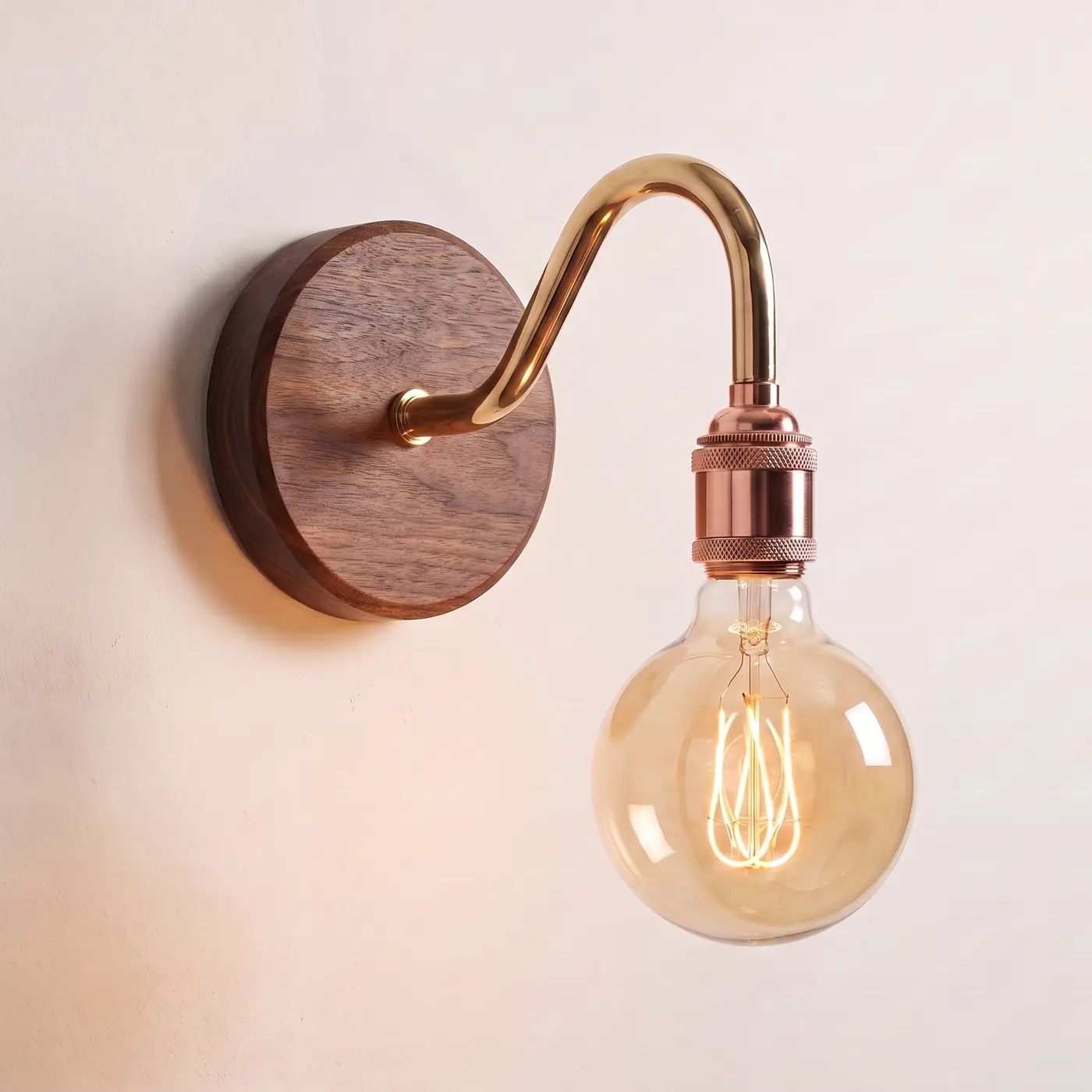
brass and copper on walnut
Swan Neck Wall Light
£95.00
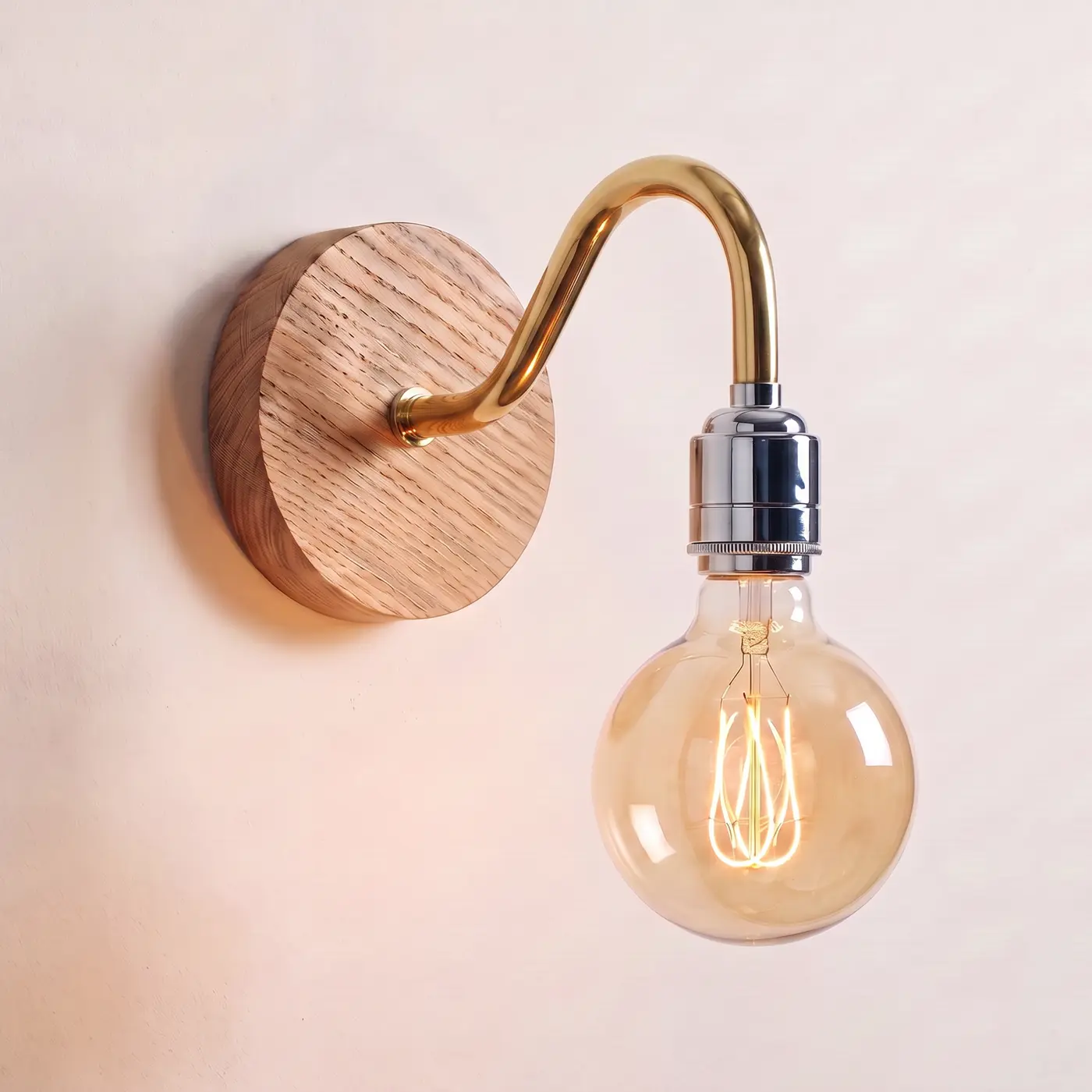
brass and chrome on natural oak
Swan Neck Wall Light
£95.00
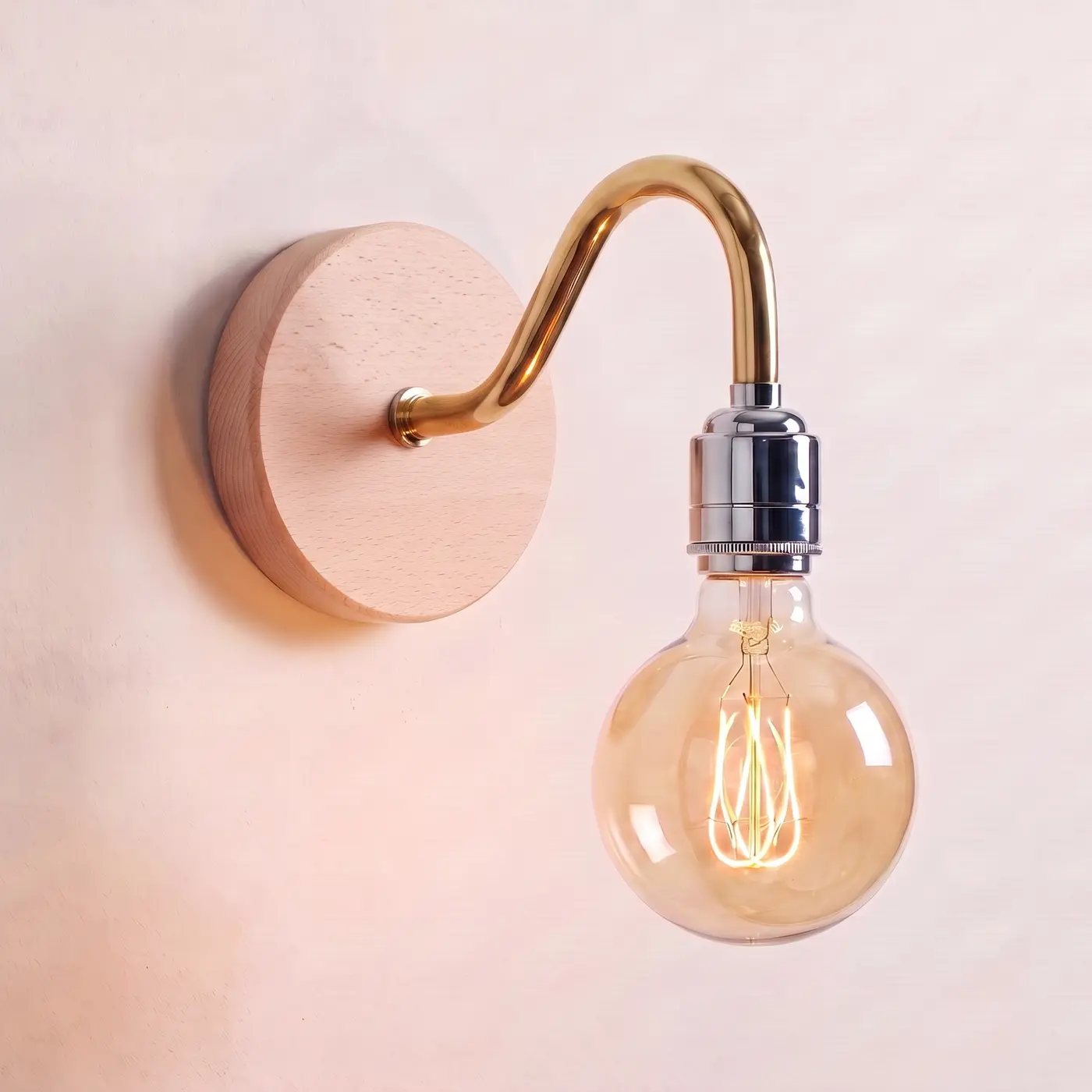
brass and chrome on beech
Swan Neck Wall Light
£95.00
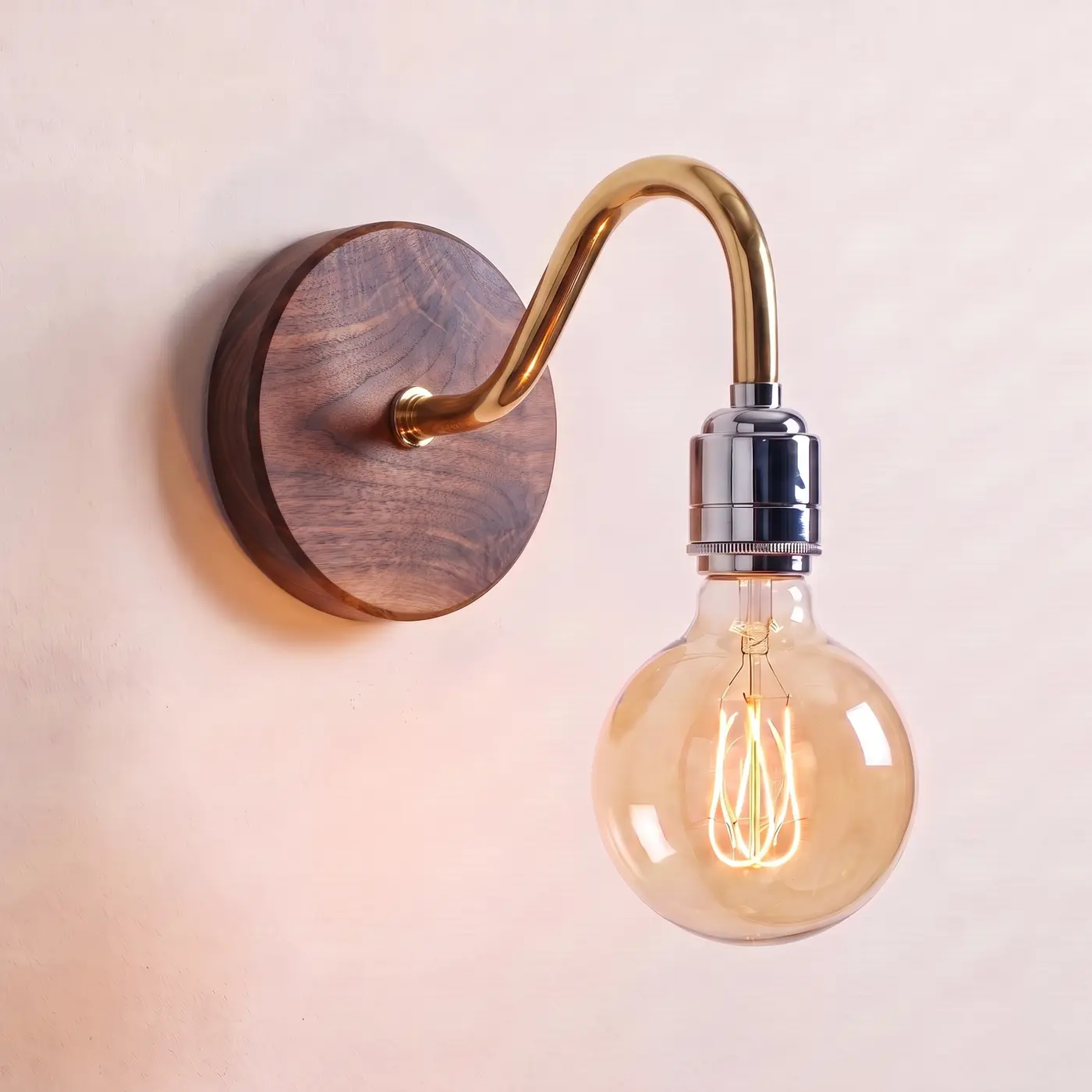
brass and chrome on walnut
Swan Neck Wall Light
£95.00
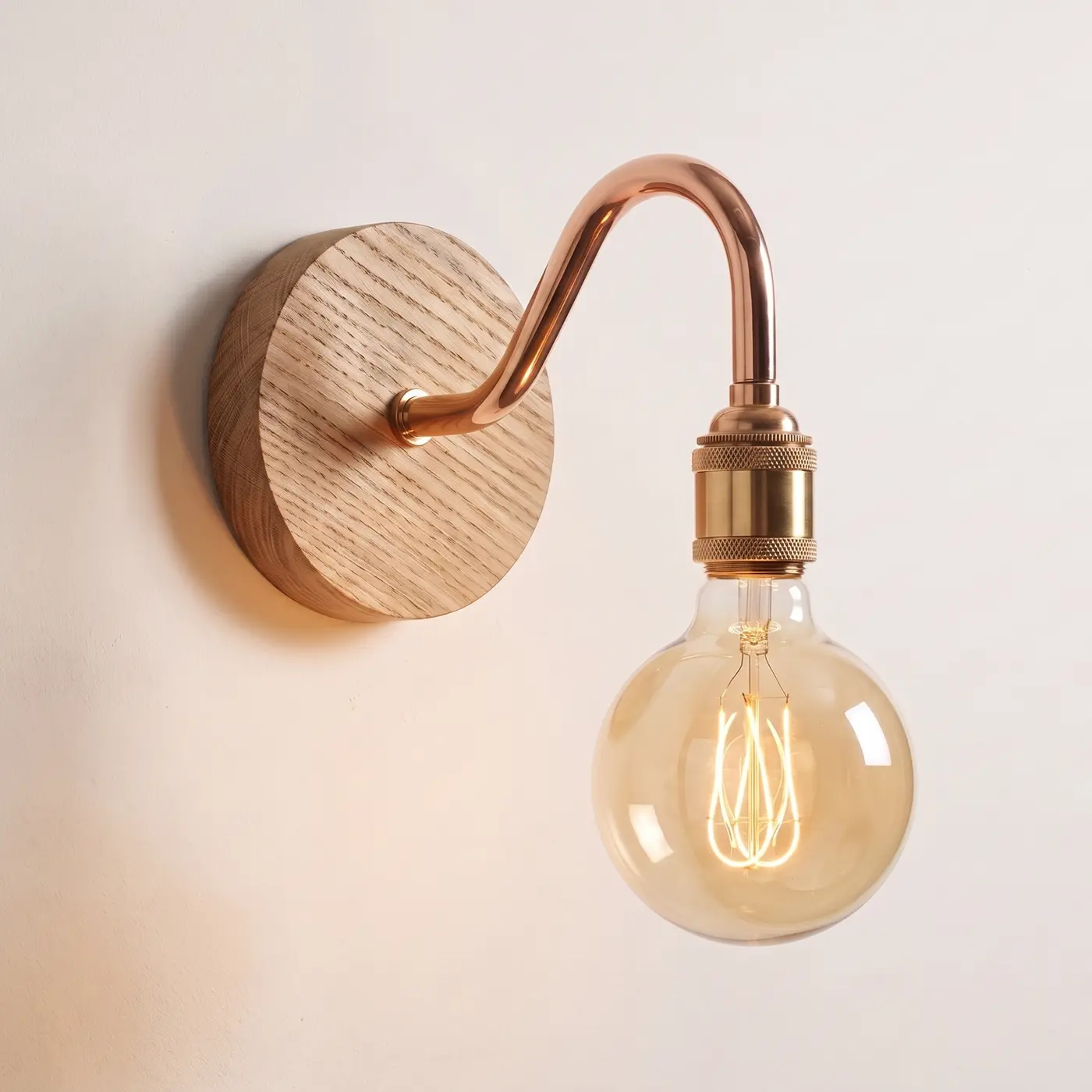
copper and brass on natural oak
Swan Neck Wall Light
£95.00
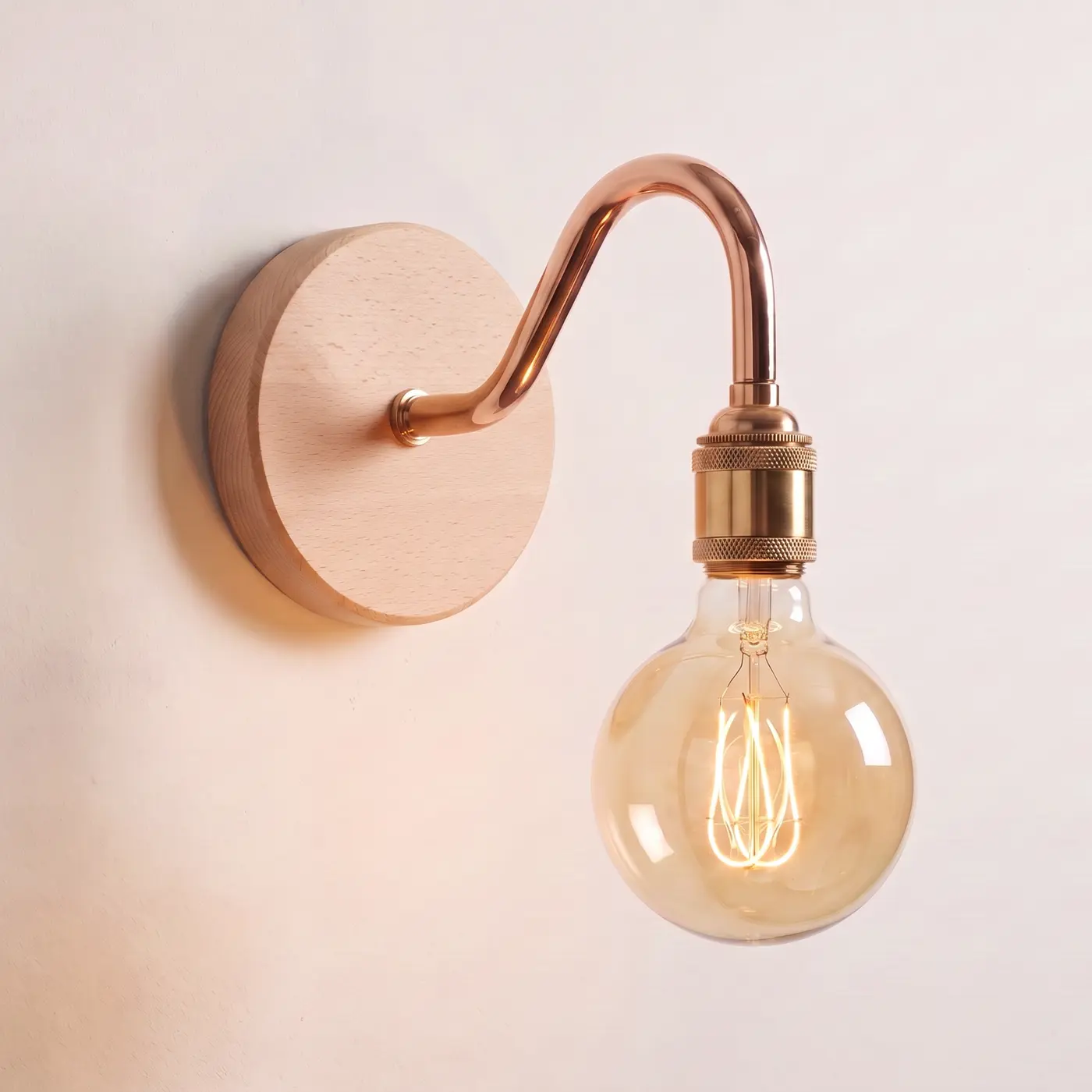
copper and brass on beech
Swan Neck Wall Light
£95.00
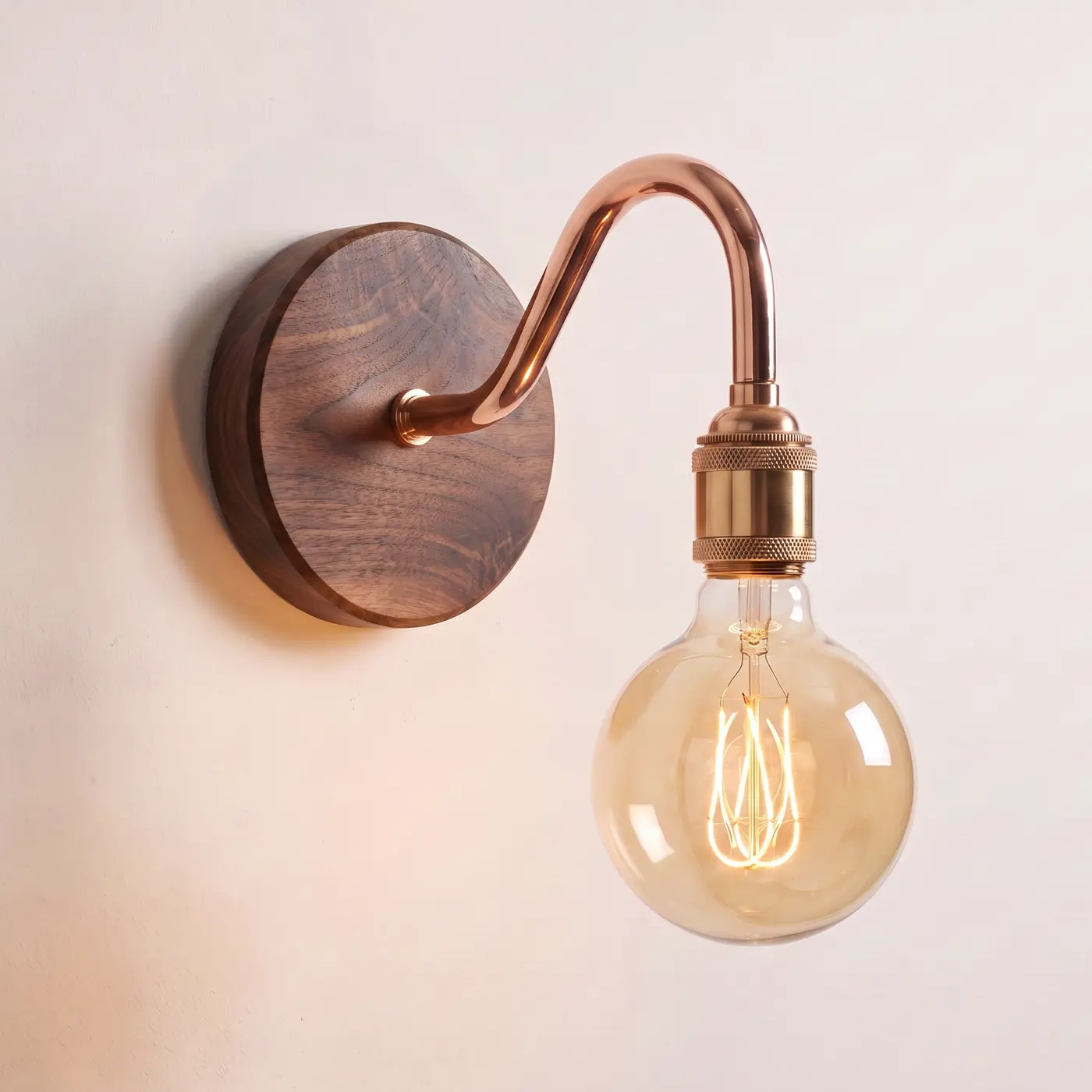
copper and brass on walnut
Swan Neck Wall Light
£95.00
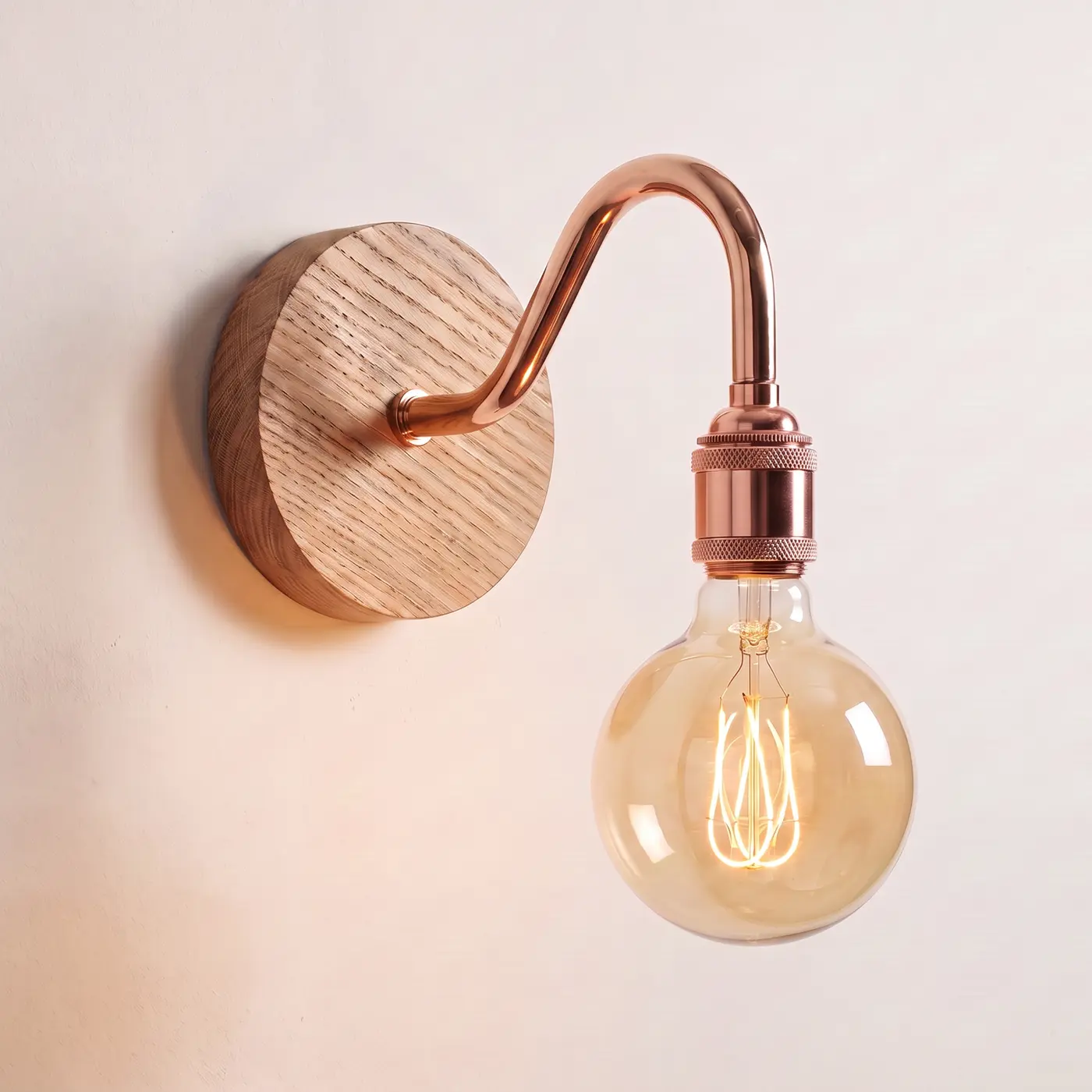
copper on natural oak
Swan Neck Wall Light
£95.00
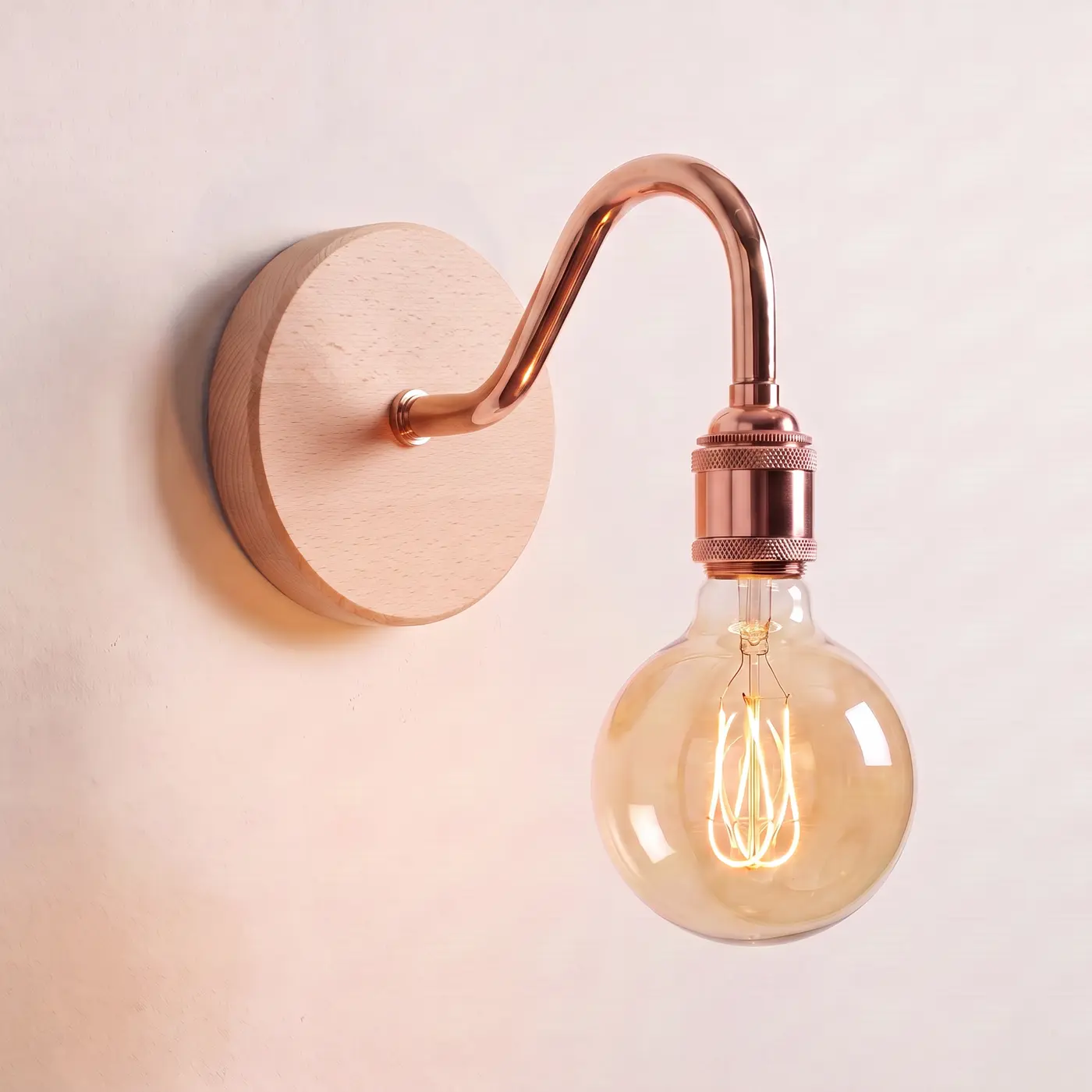
copper on beech
Swan Neck Wall Light
£95.00
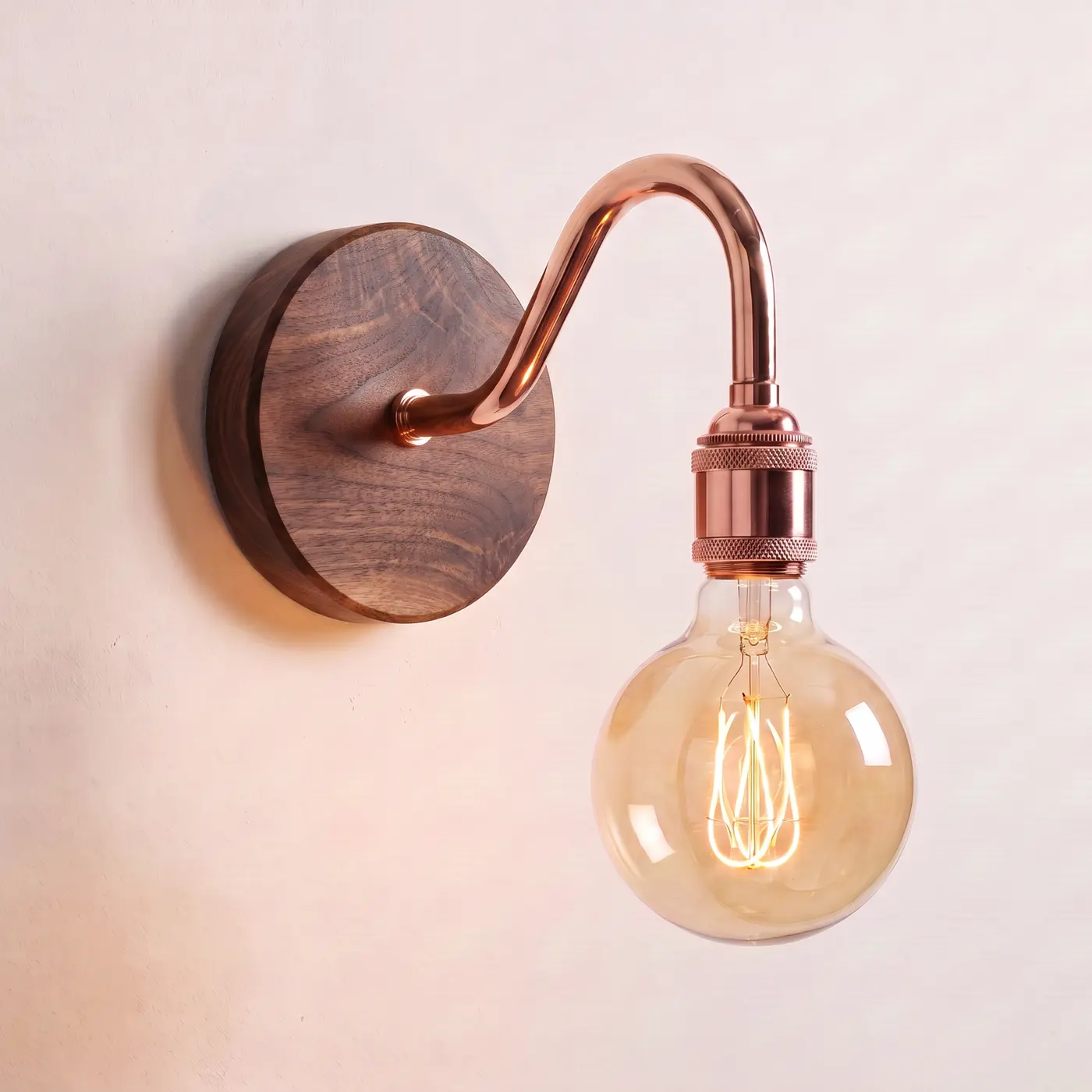
copper on walnut
Swan Neck Wall Light
£95.00
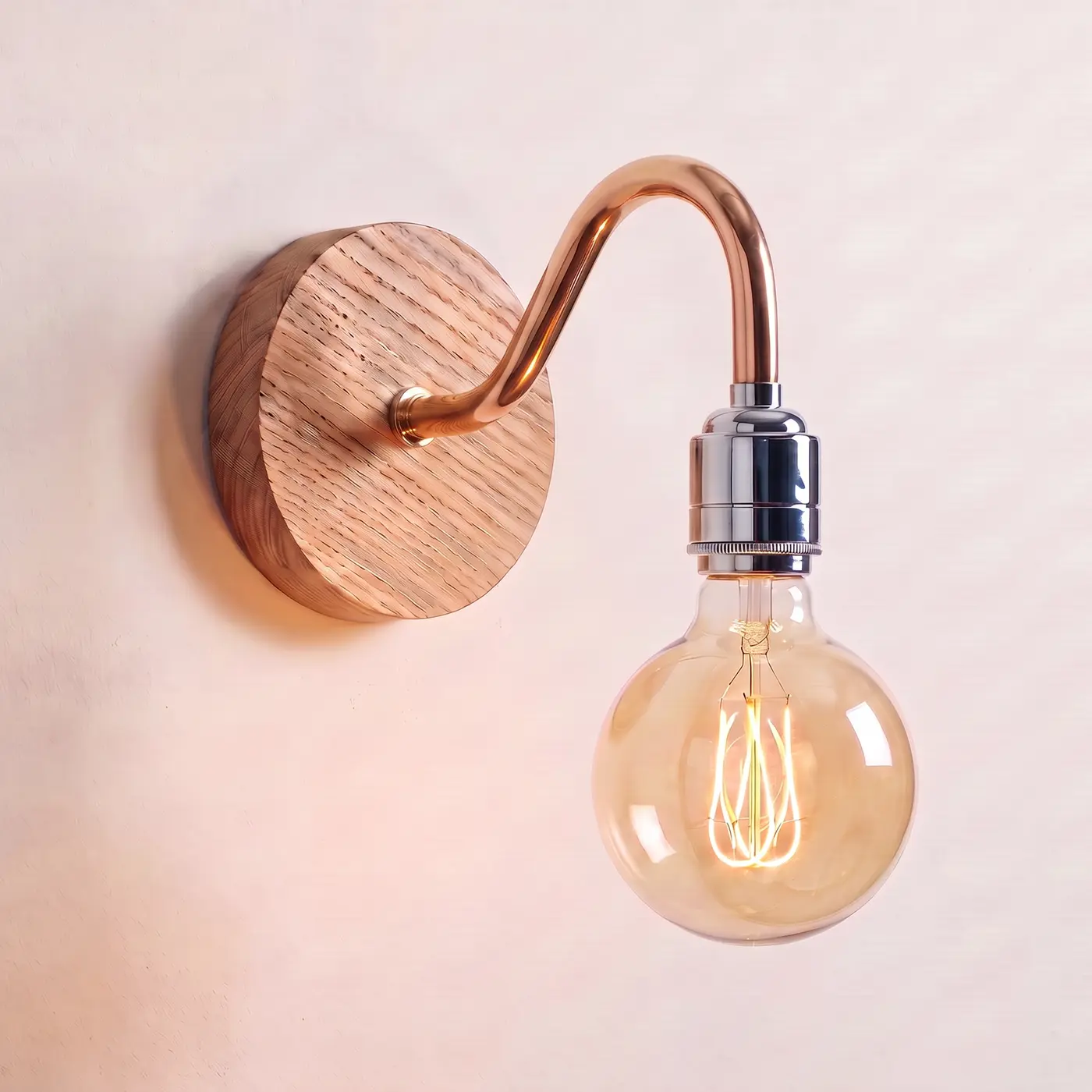
copper and chrome on natural oak
Swan Neck Wall Light
£95.00
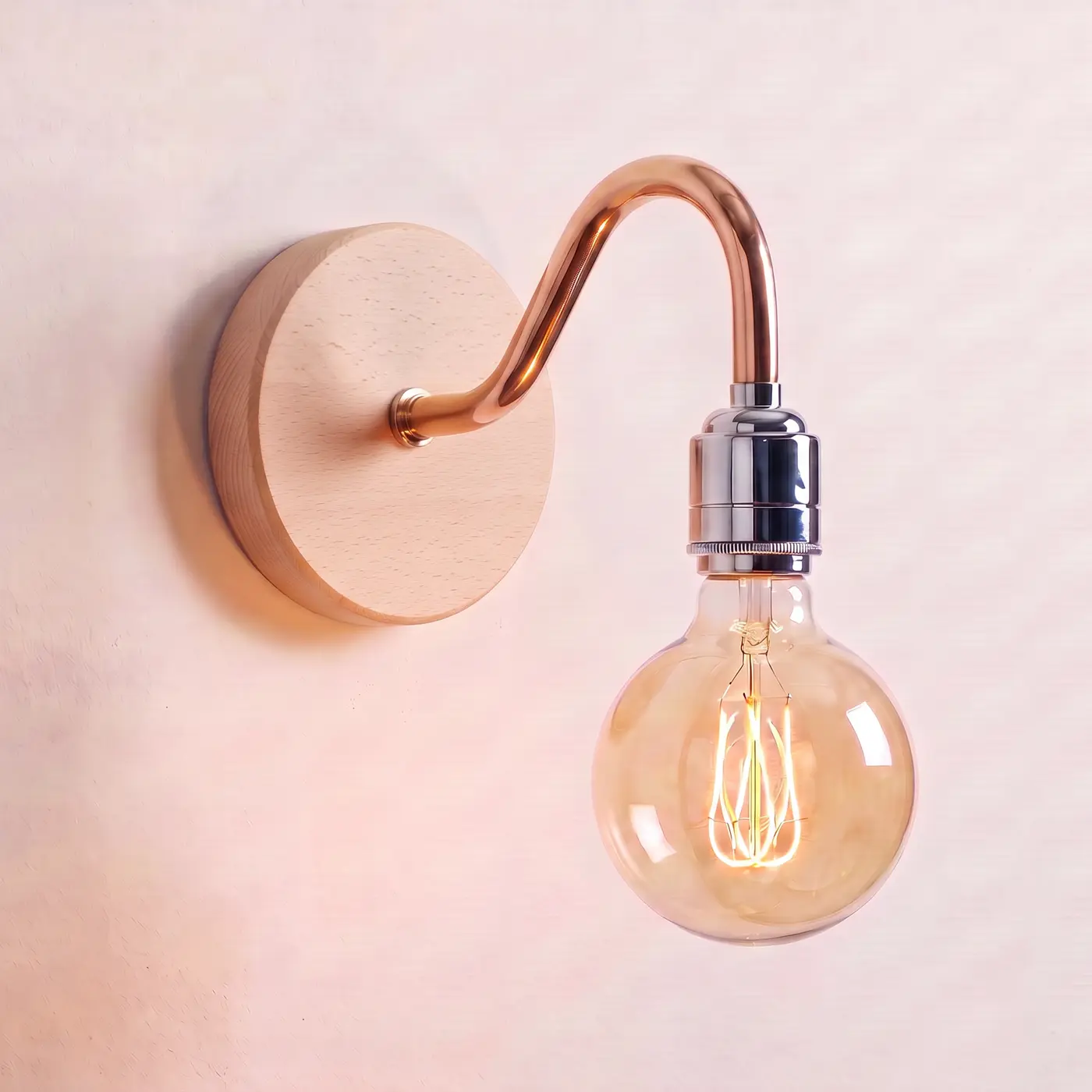
copper and chrome on beech
Swan Neck Wall Light
£95.00
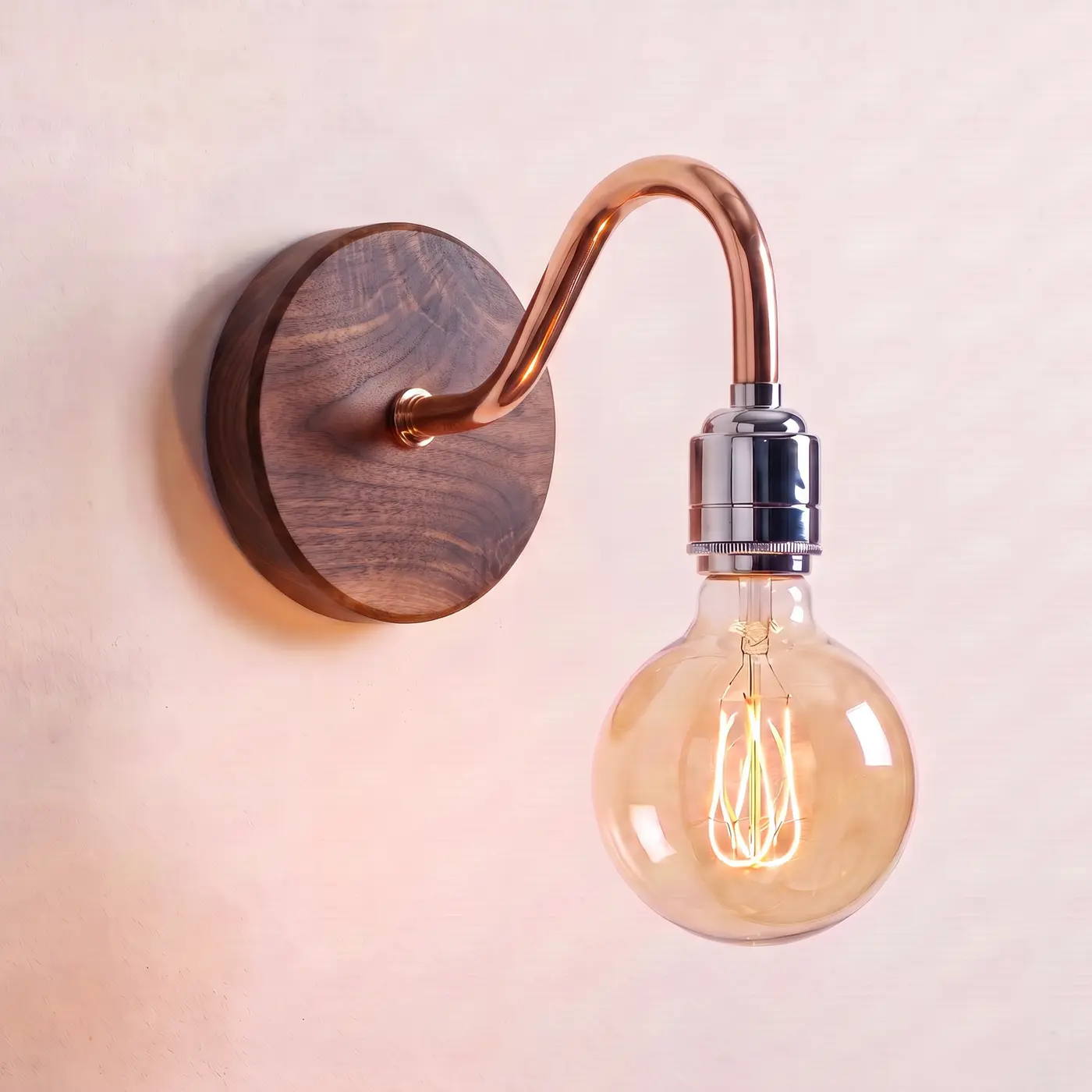
copper and chrome on walnut
Swan Neck Wall Light
£95.00
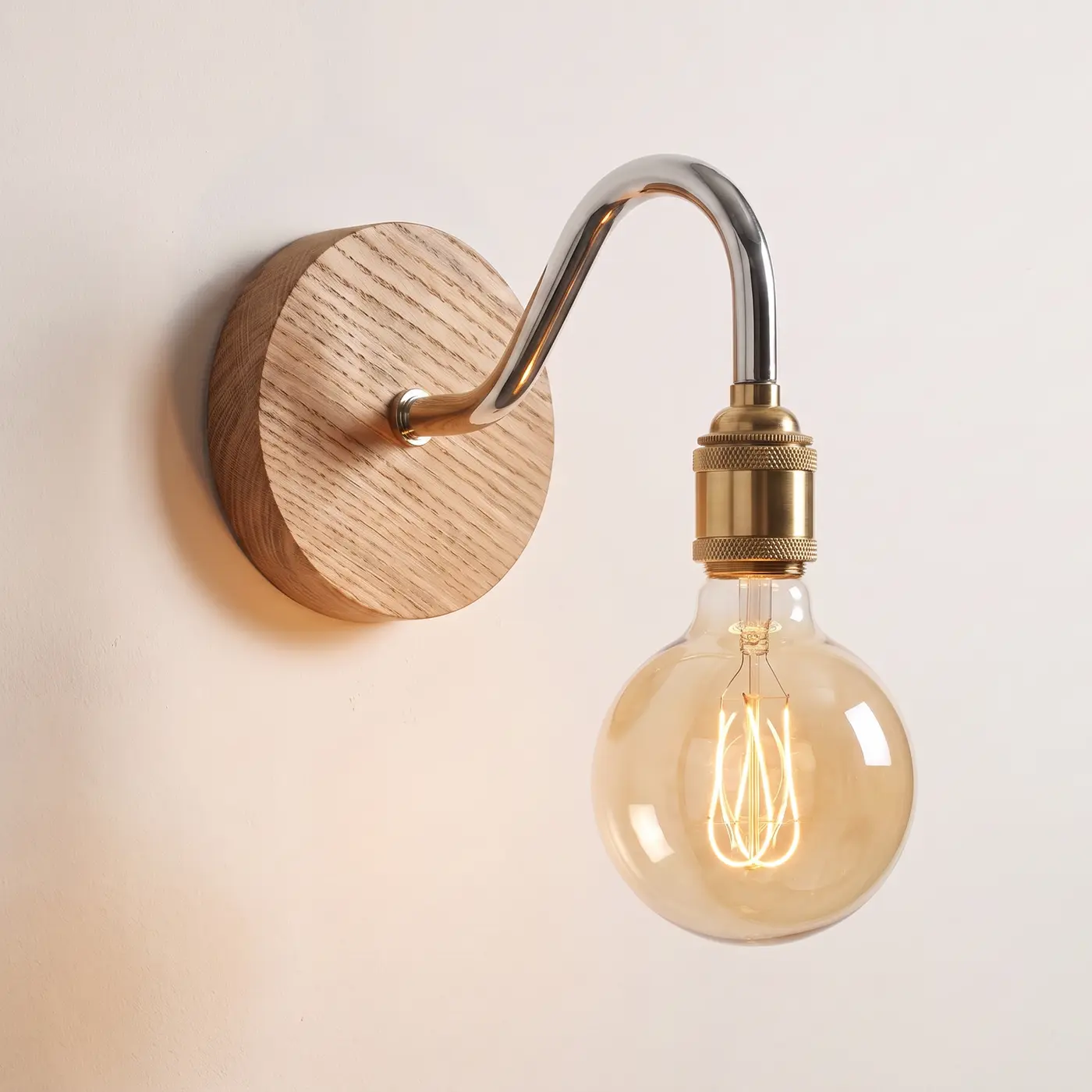
chrome and brass on natural oak
Swan Neck Wall Light
£95.00
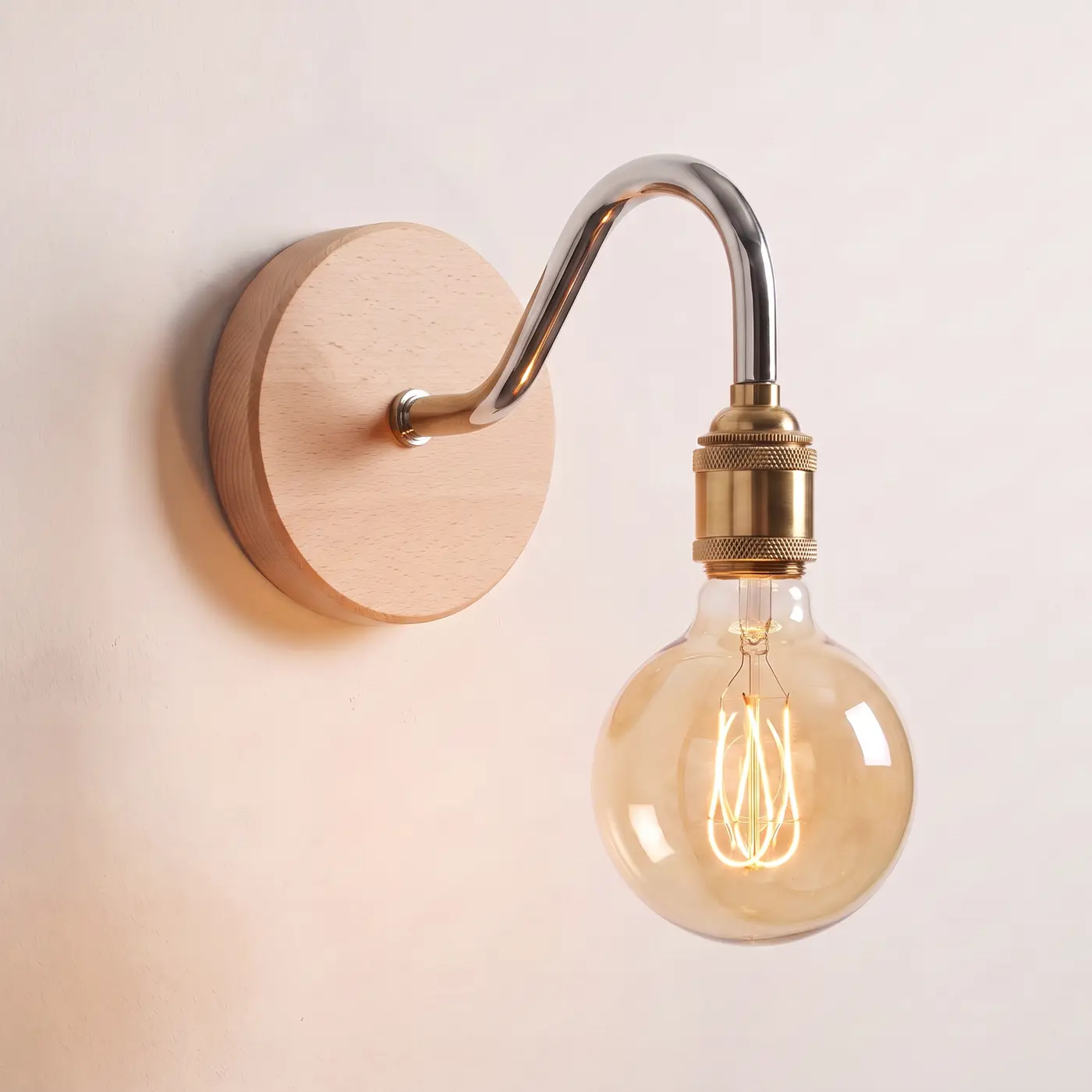
chrome and brass on beech
Swan Neck Wall Light
£95.00
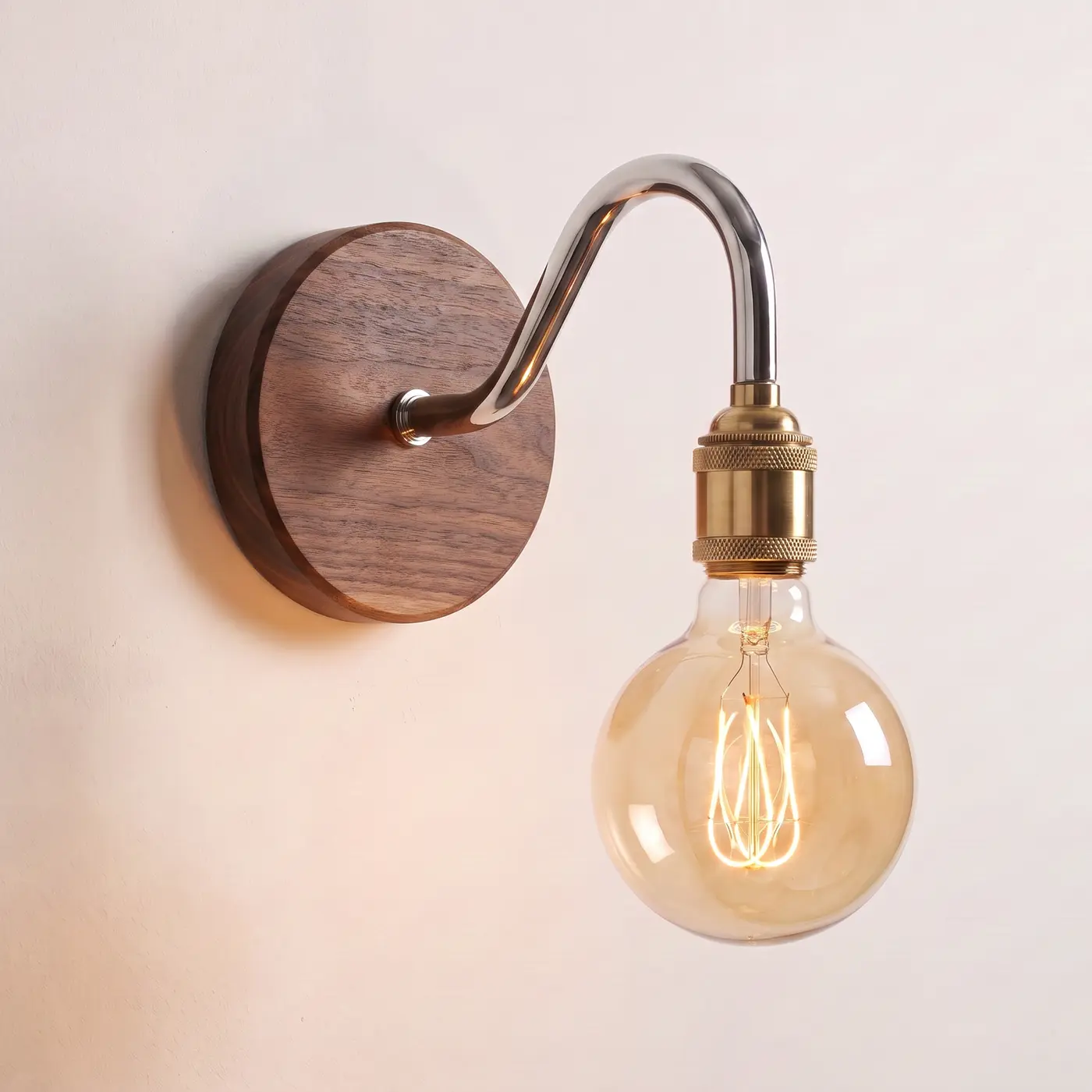
chrome and brass on walnut
Swan Neck Wall Light
£95.00
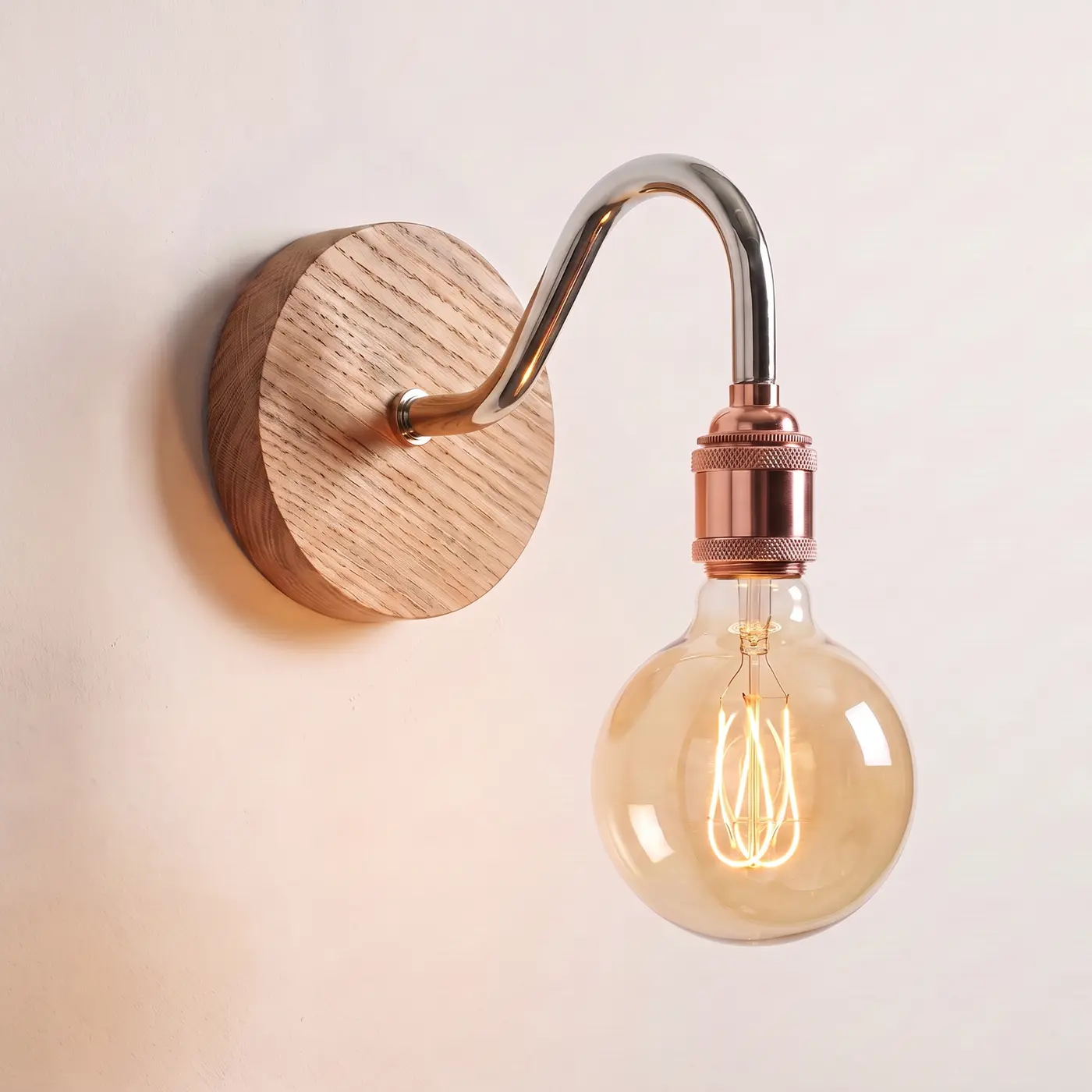
chrome and copper on natural oak
Swan Neck Wall Light
£95.00
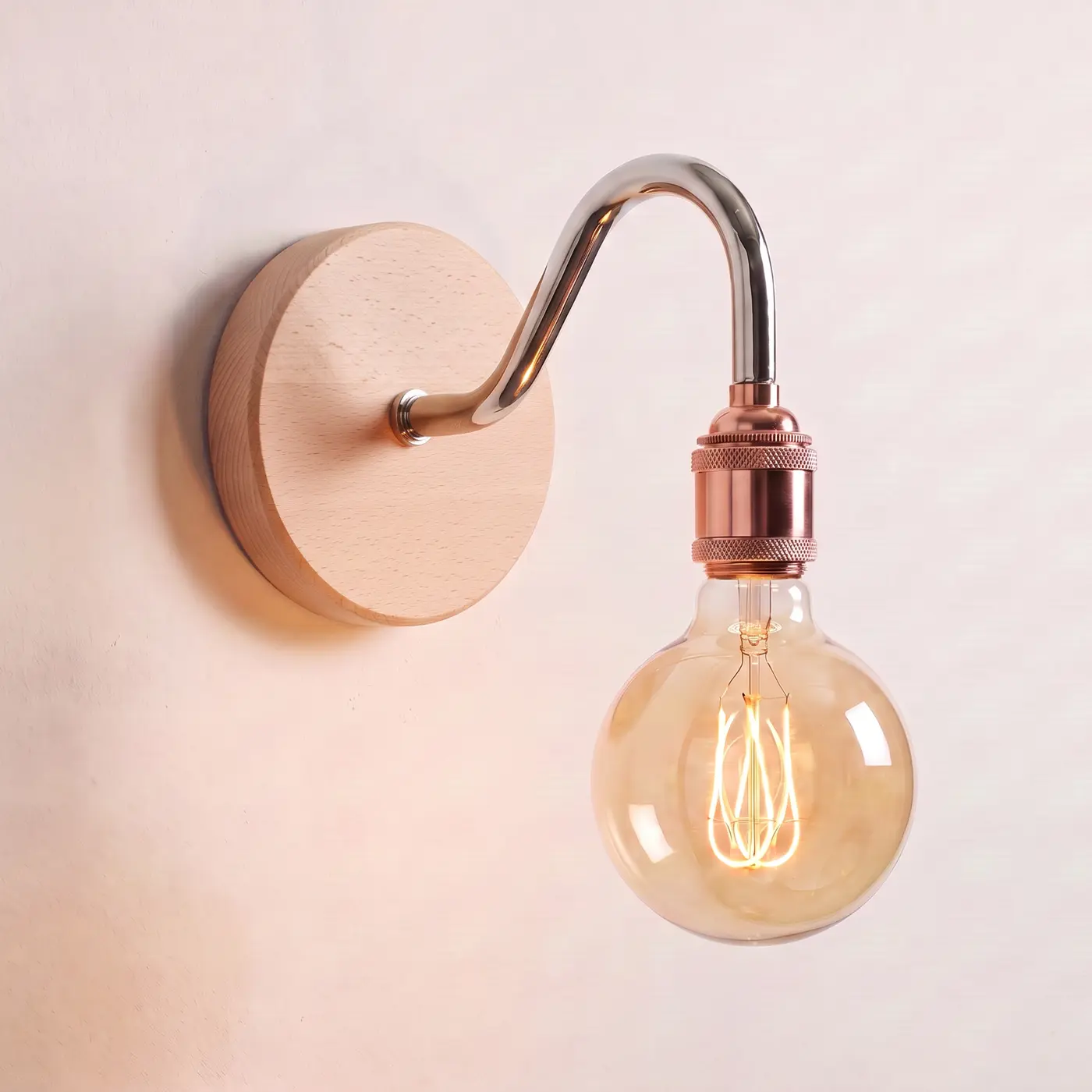
chrome and copper on beech
Swan Neck Wall Light
£95.00
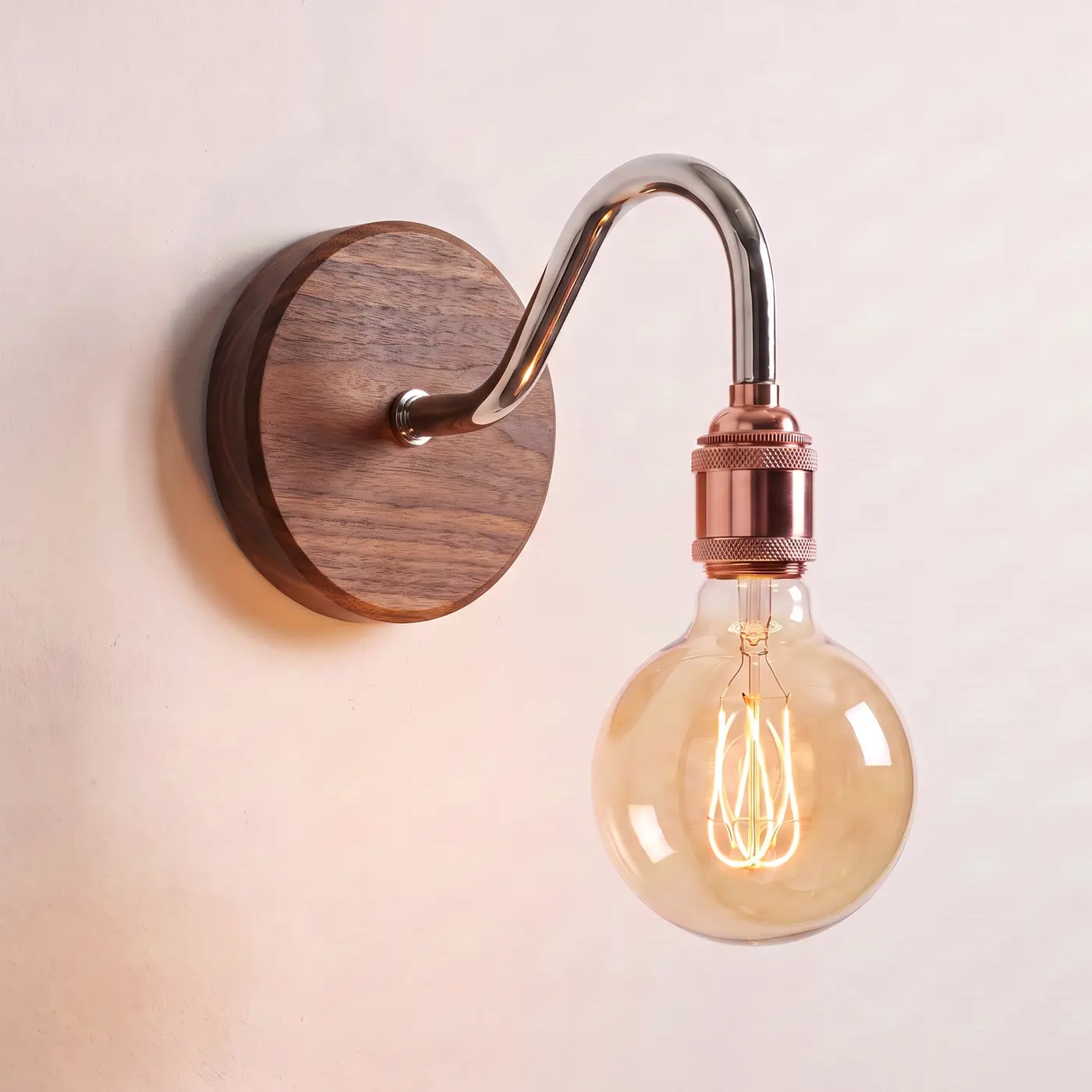
chrome and copper on walnut
Swan Neck Wall Light
£95.00
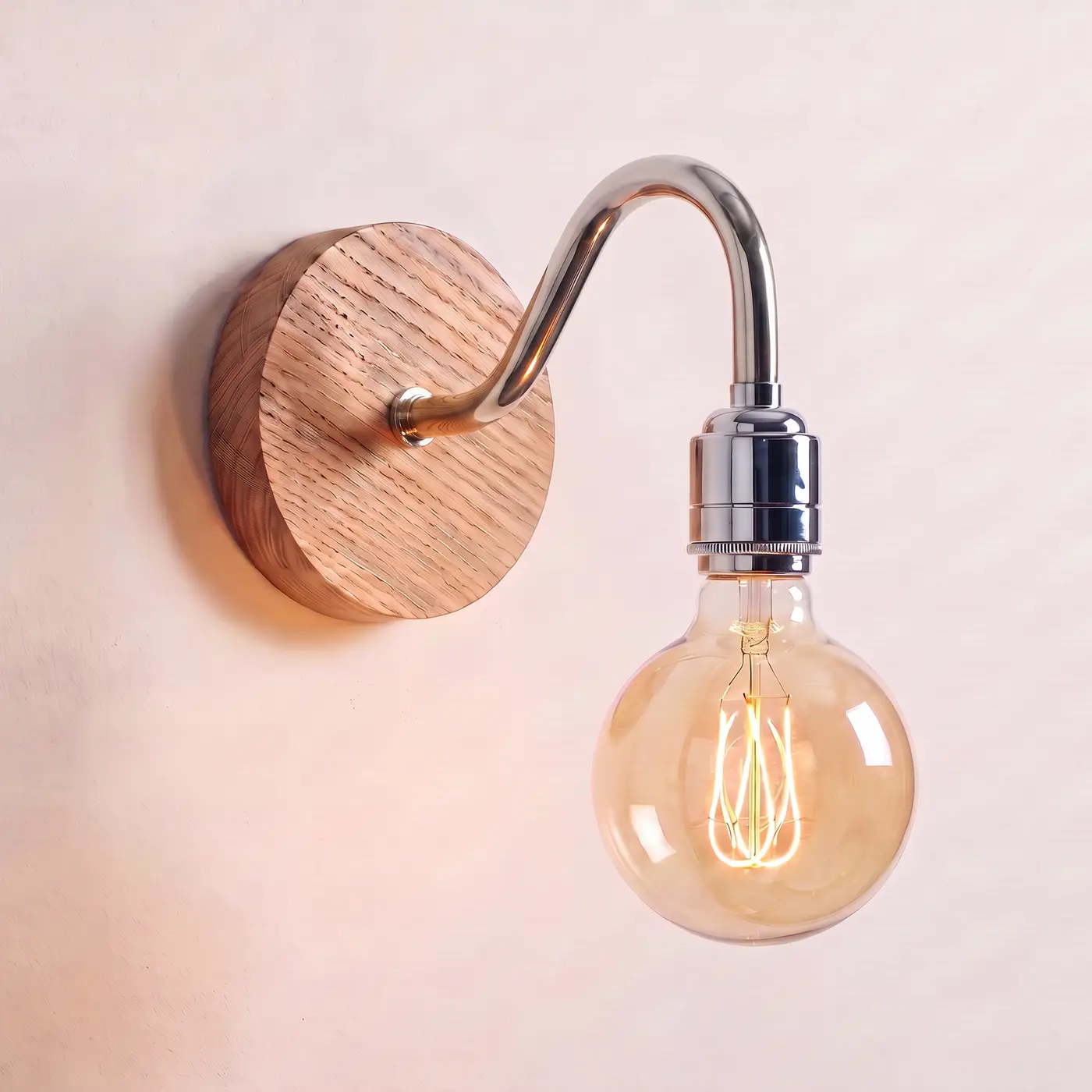
chrome on natural oak
Swan Neck Wall Light
£95.00
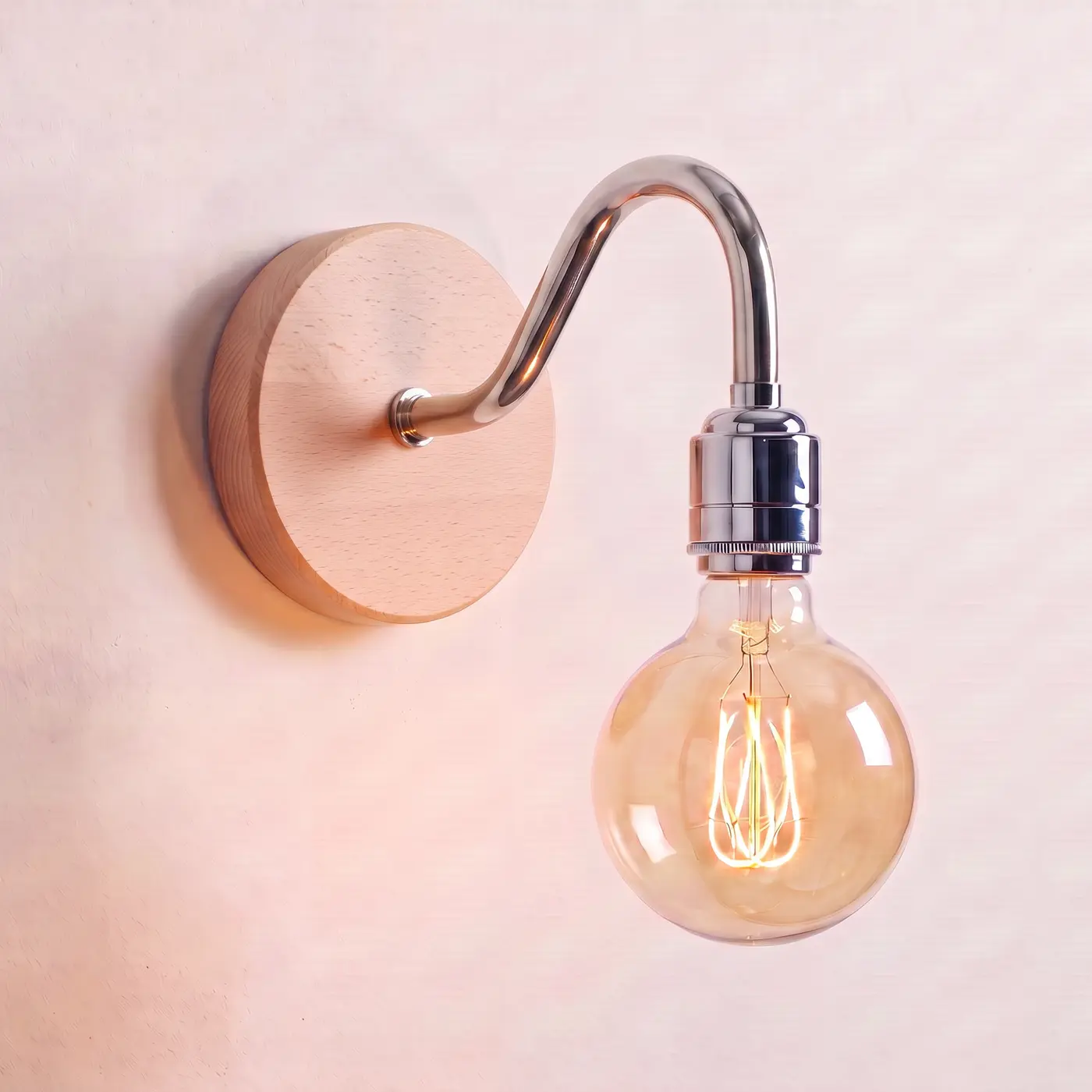
chrome on beech
Swan Neck Wall Light
£95.00
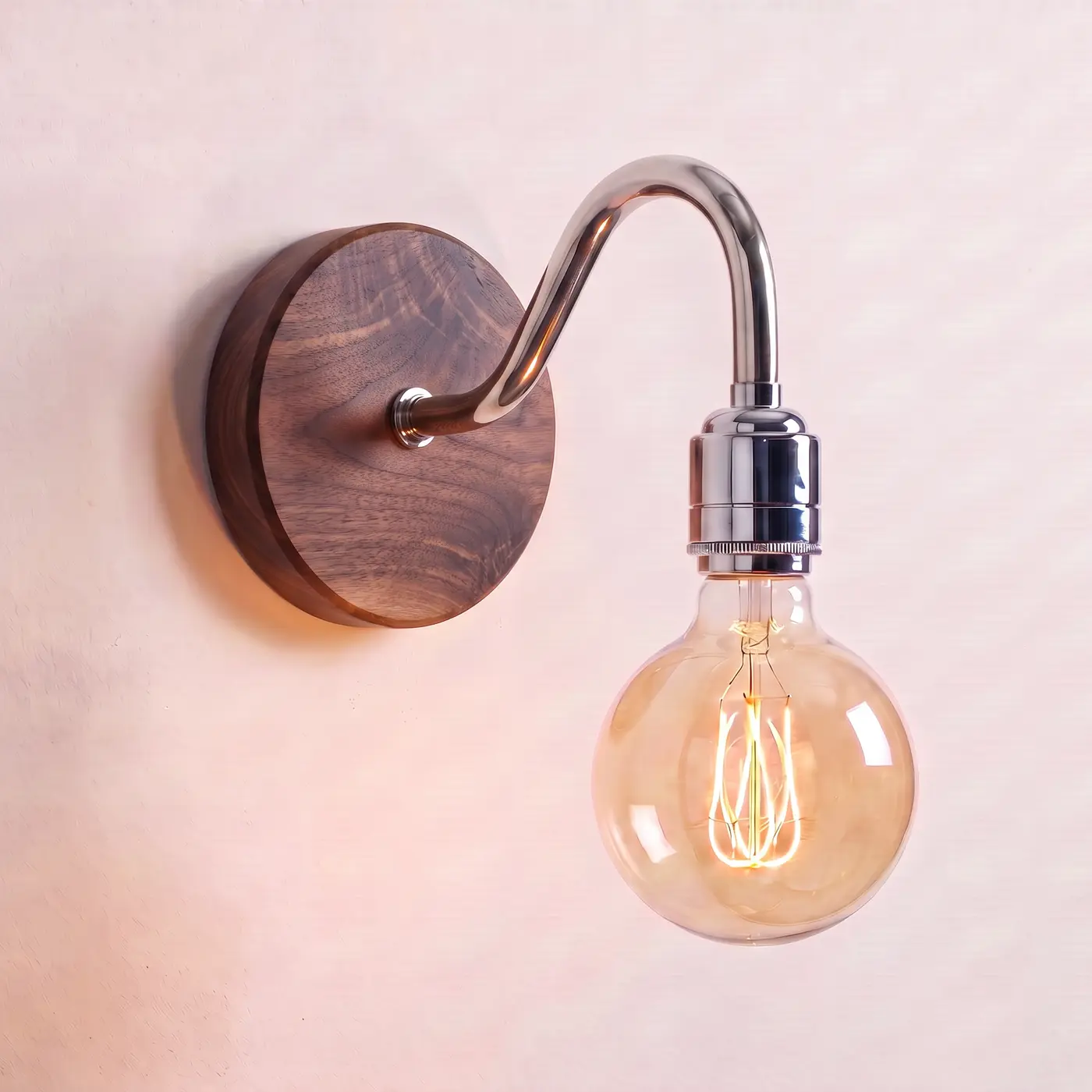
chrome on walnut
Swan Neck Wall Light
£95.00
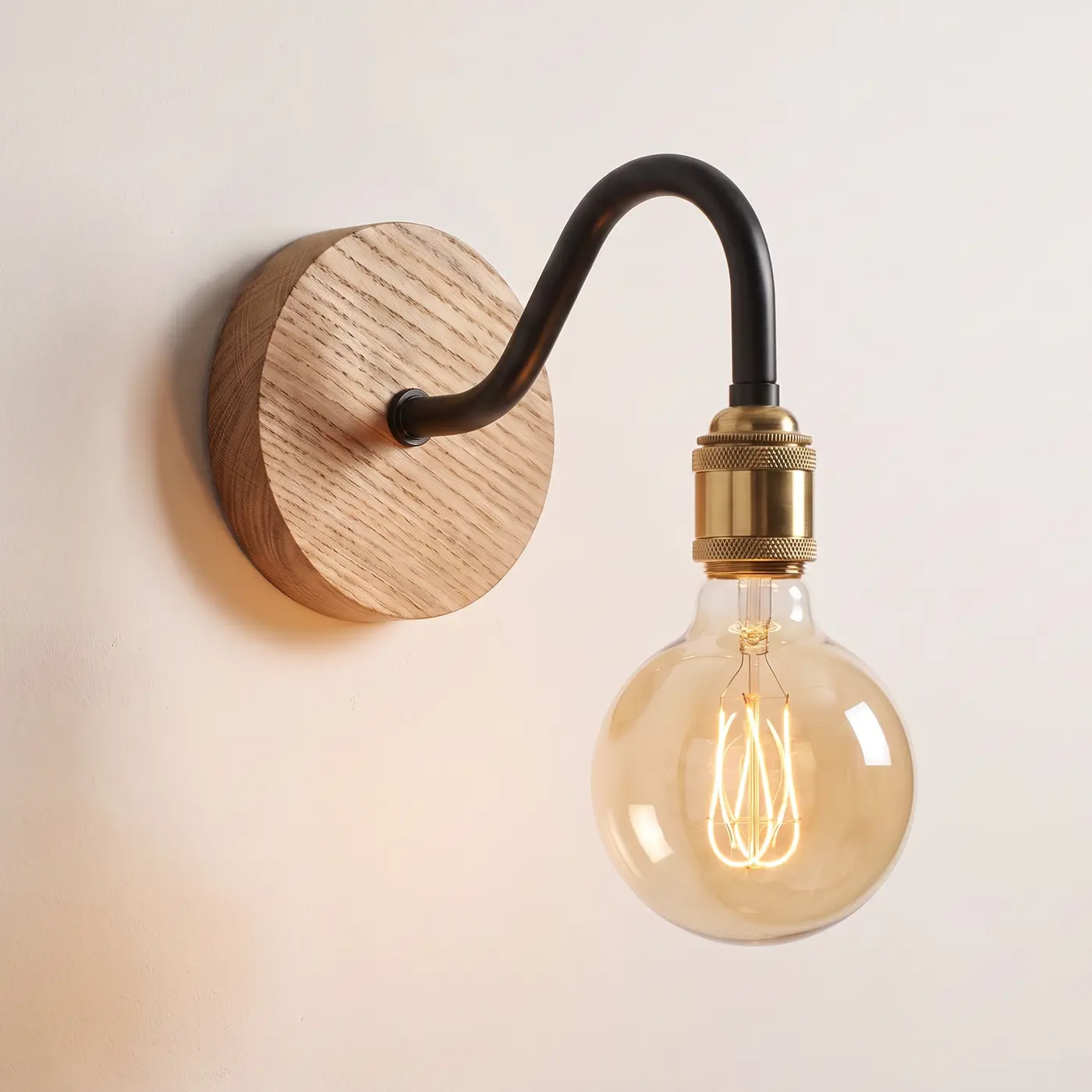
black and brass on natural oak
Swan Neck Wall Light
£95.00
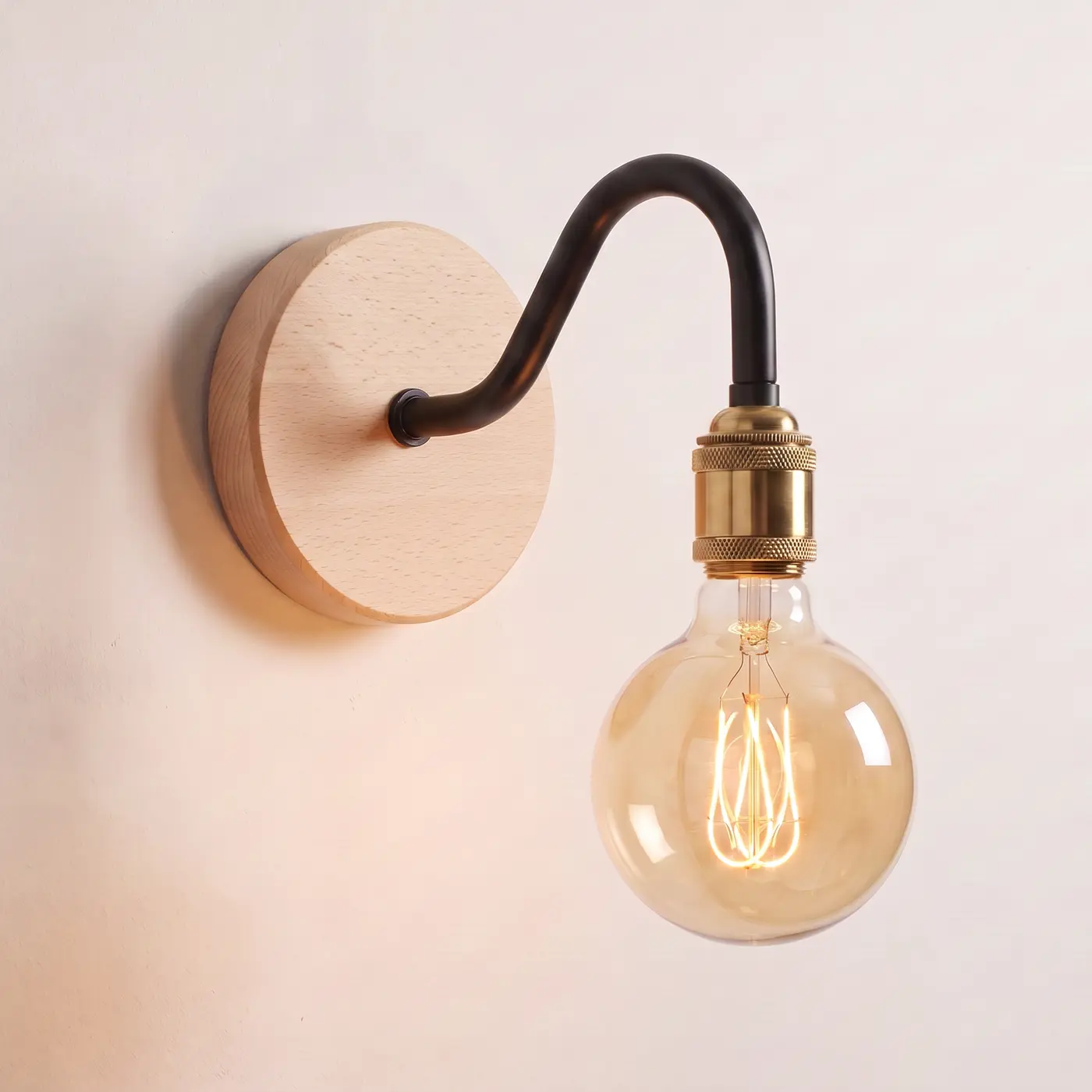
black and brass on beech
Swan Neck Wall Light
£95.00
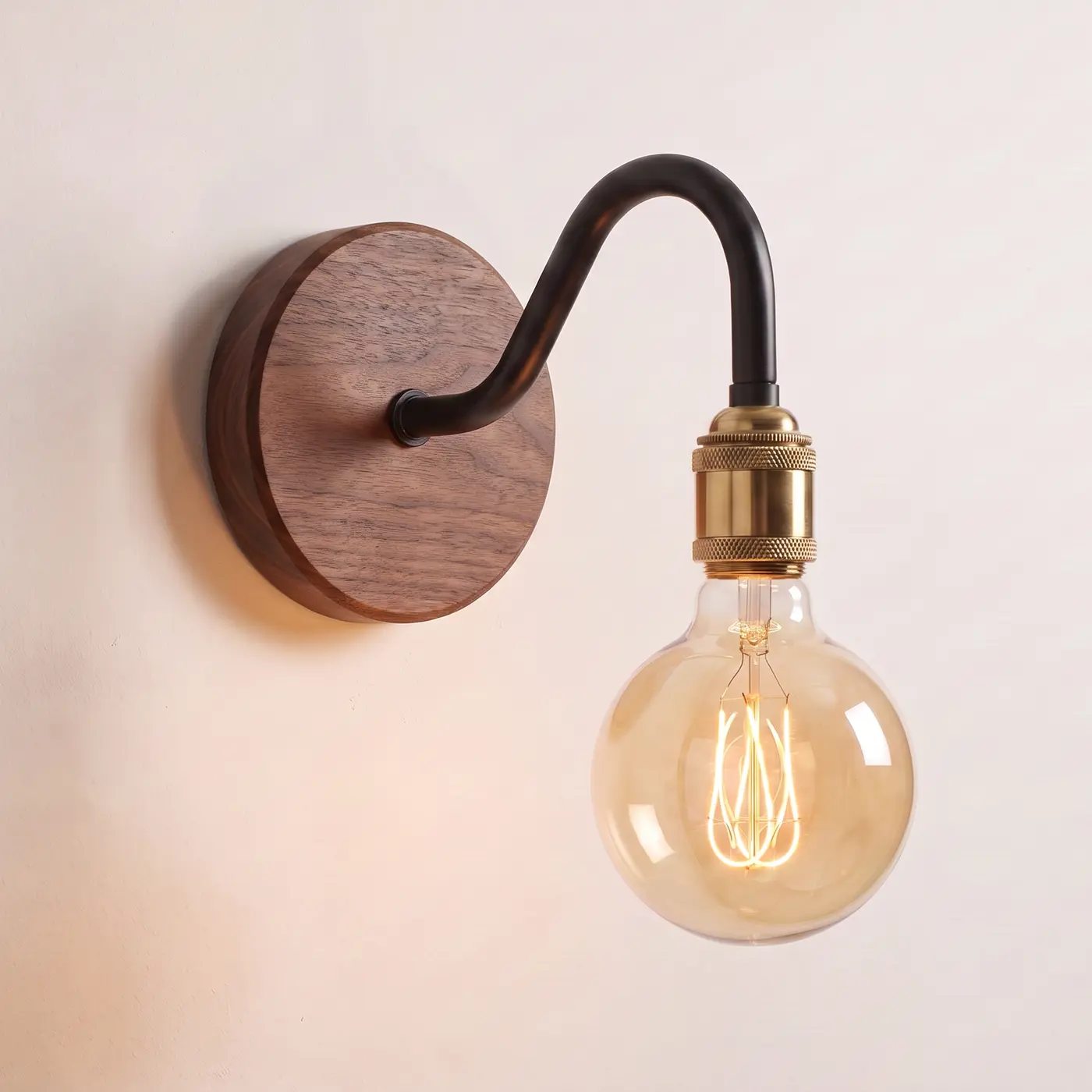
black and brass on walnut
Swan Neck Wall Light
£95.00
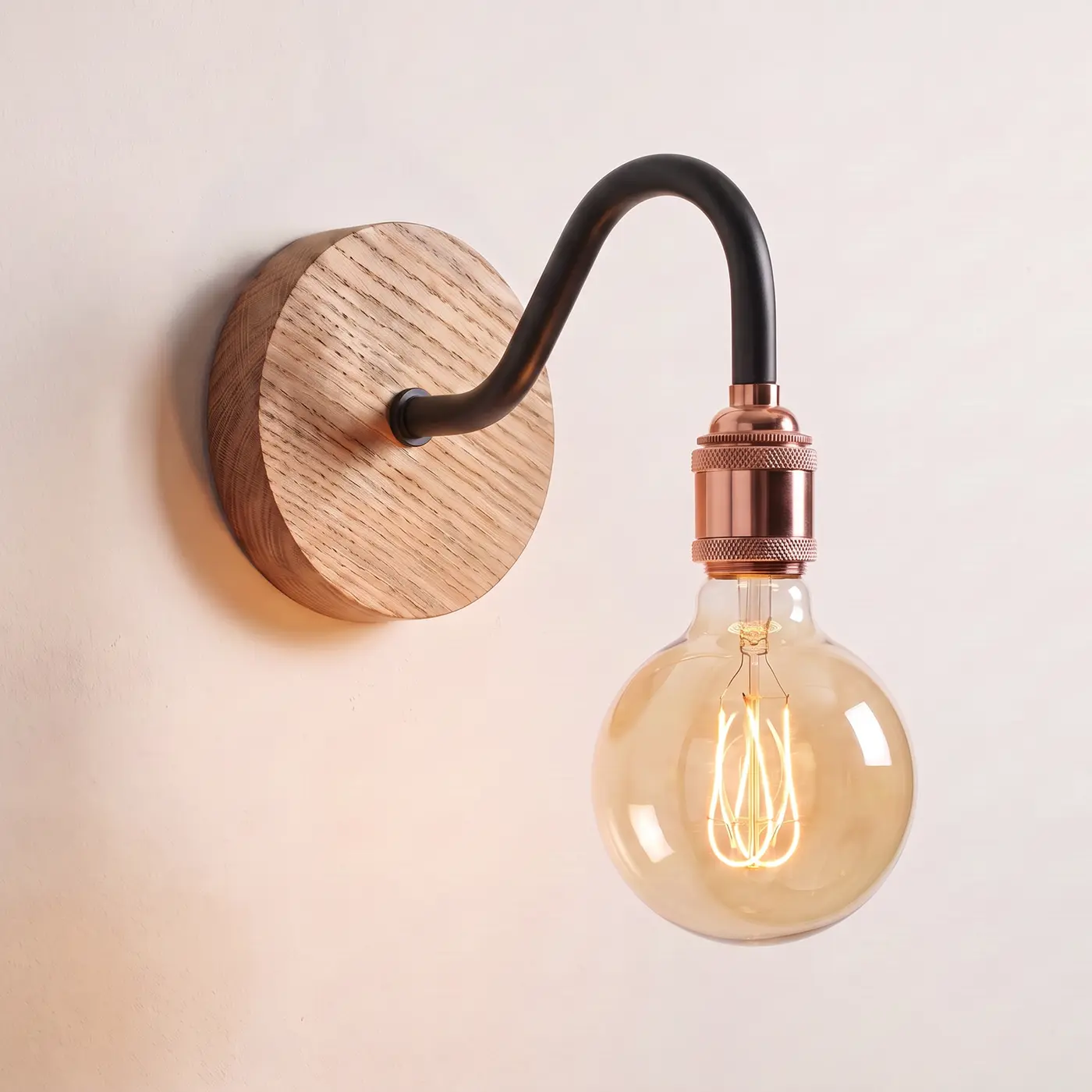
black and copper on natural oak
Swan Neck Wall Light
£95.00
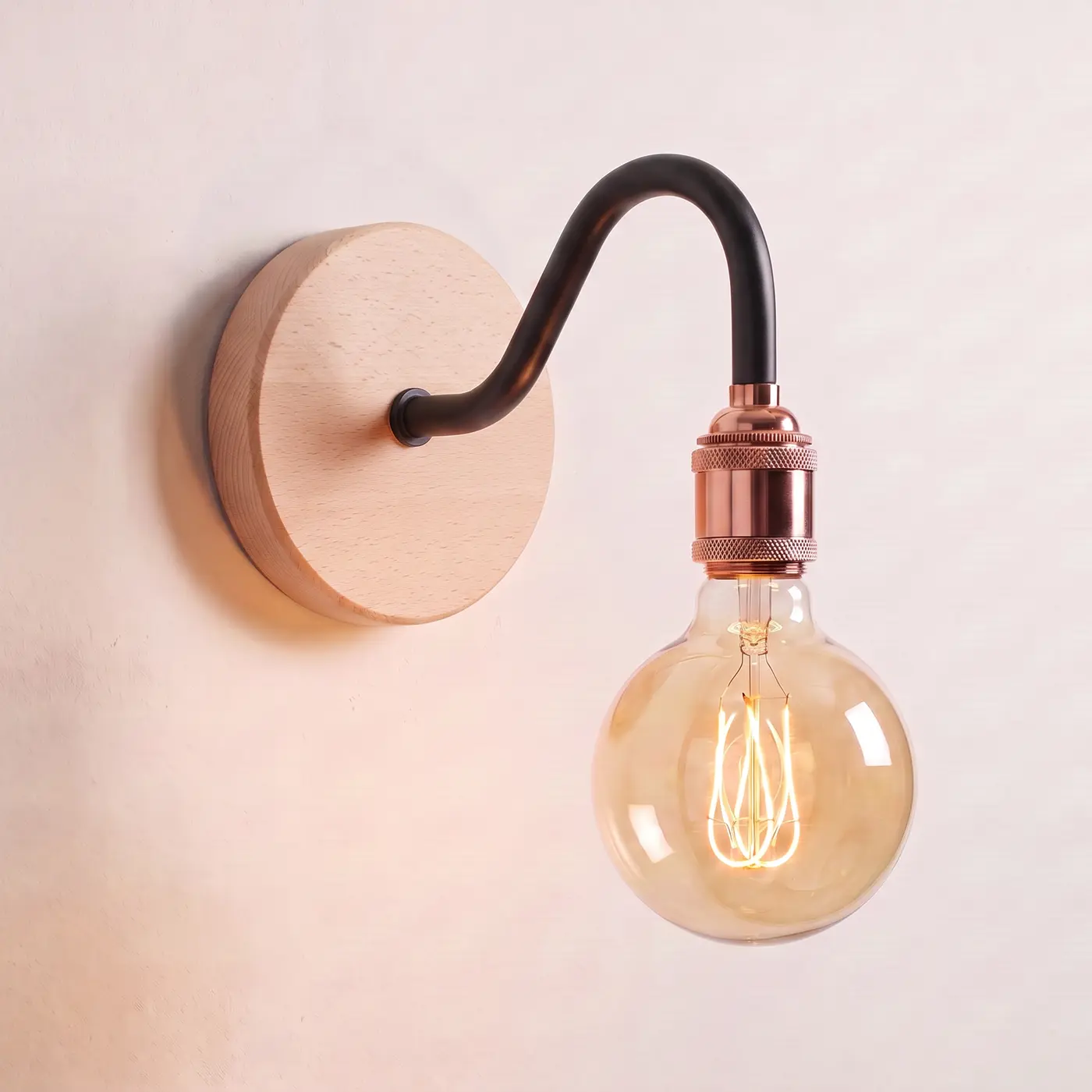
black and copper on beech
Swan Neck Wall Light
£95.00
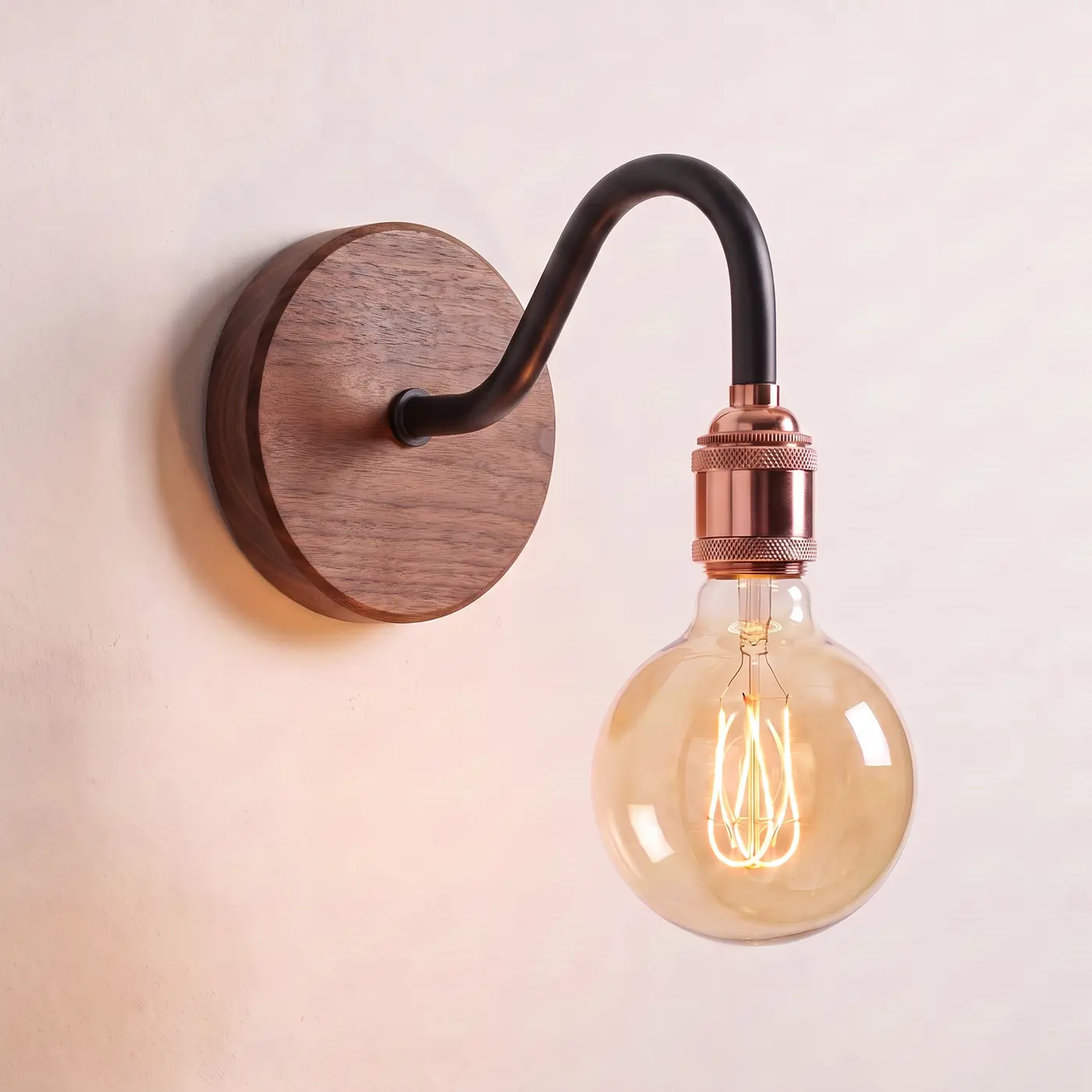
black and copper on walnut
Swan Neck Wall Light
£95.00
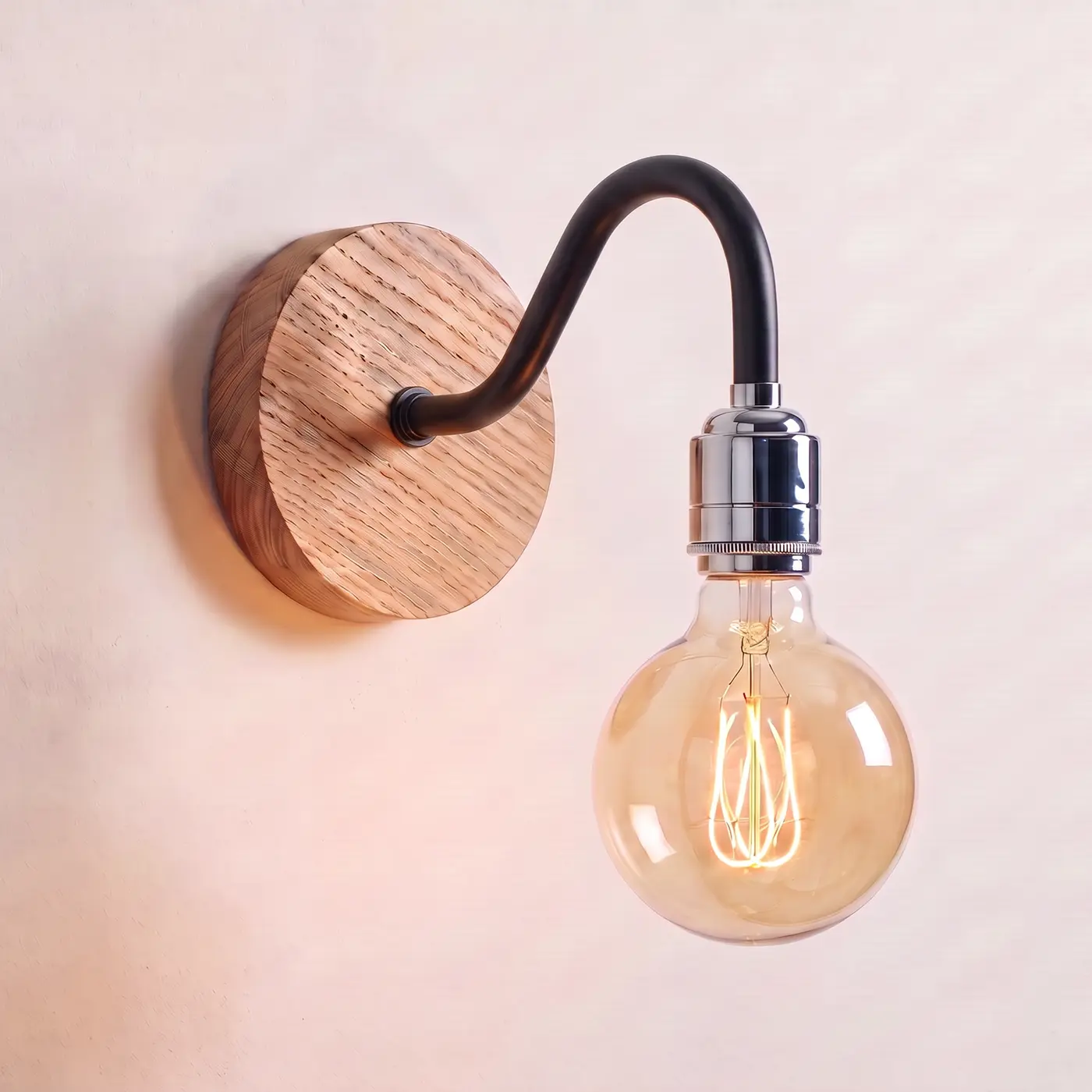
black and chrome on natural oak
Swan Neck Wall Light
£95.00
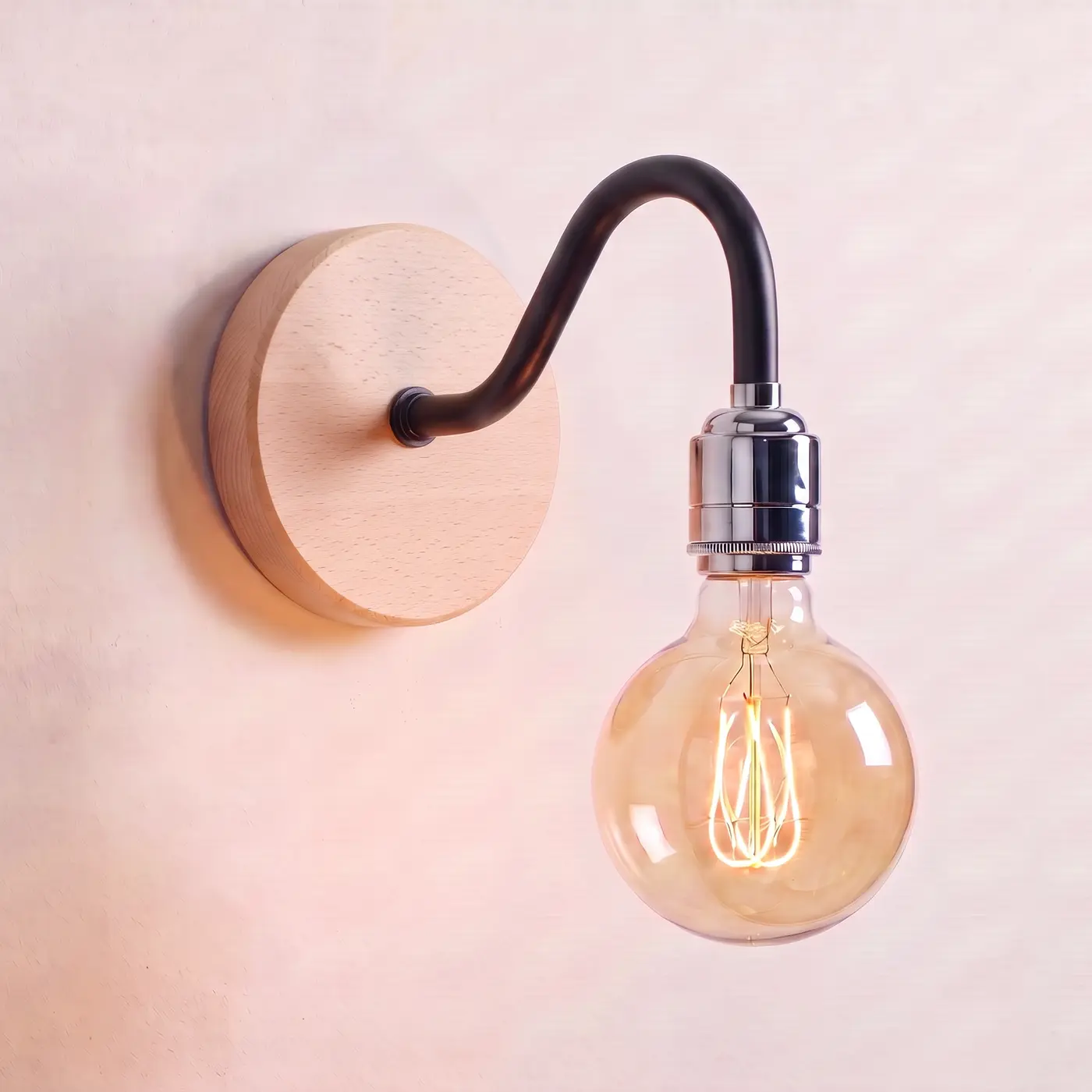
black and chrome on beech
Swan Neck Wall Light
£95.00
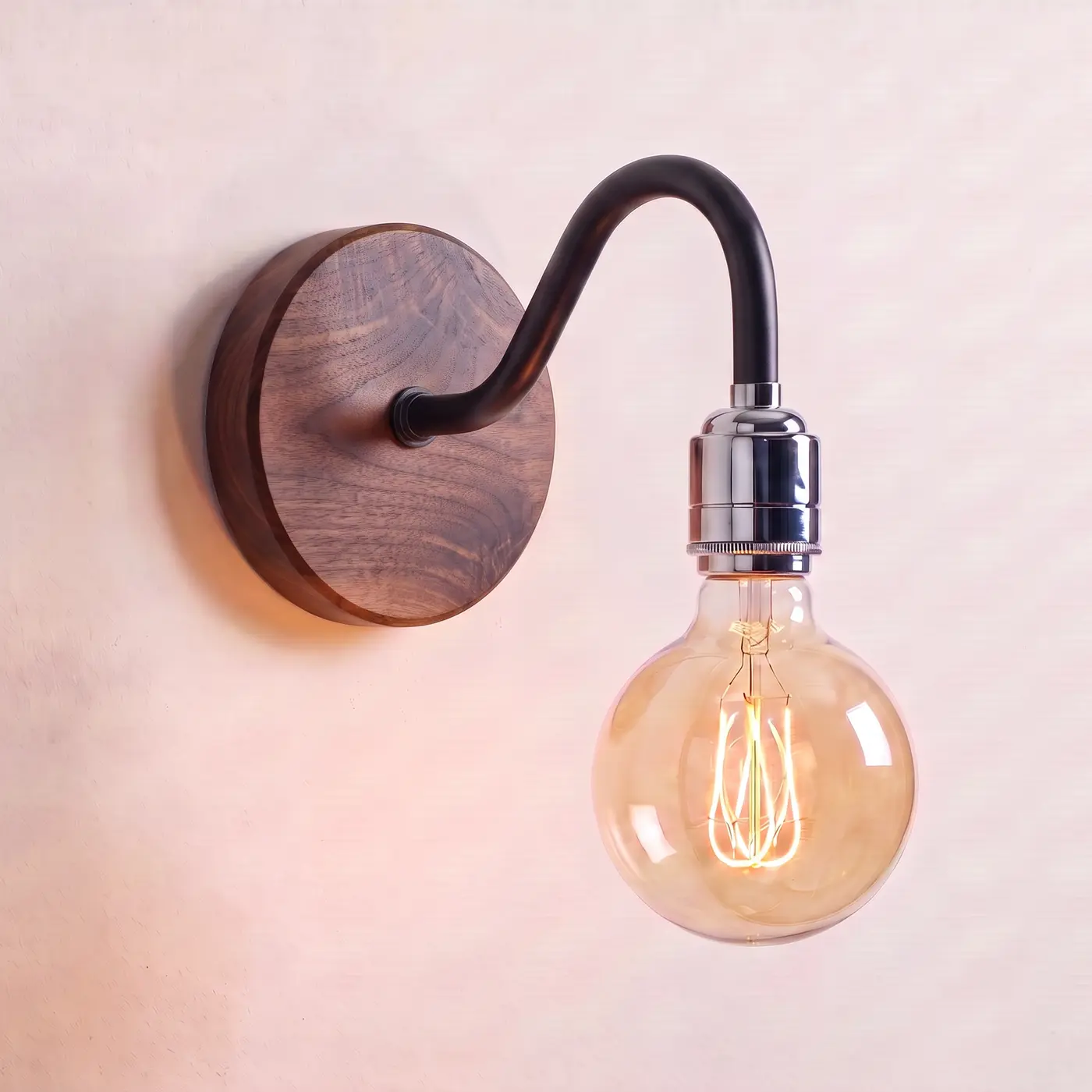
black and chrome on walnut
Swan Neck Wall Light
£95.00
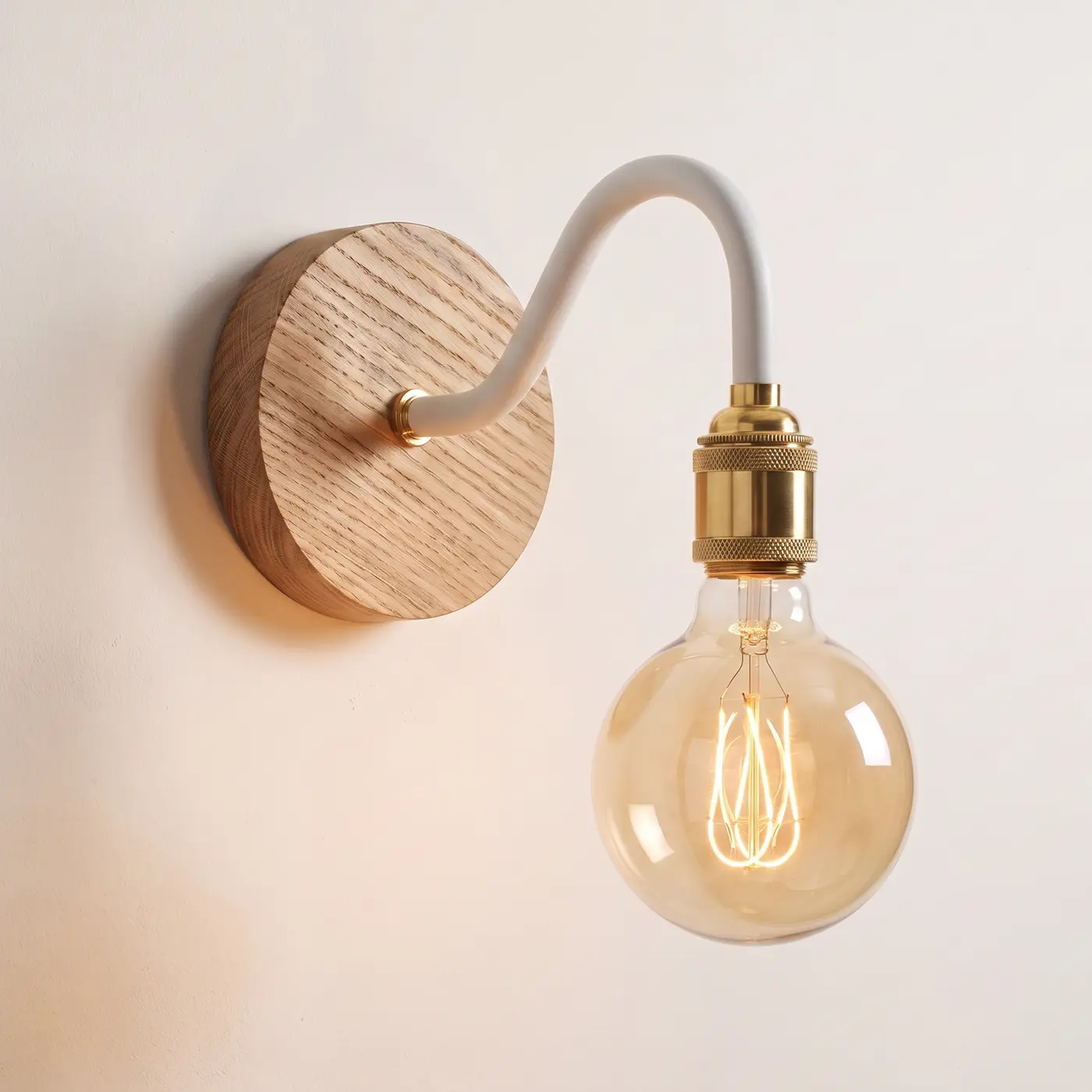
white and brass on natural oak
Swan Neck Wall Light
£95.00
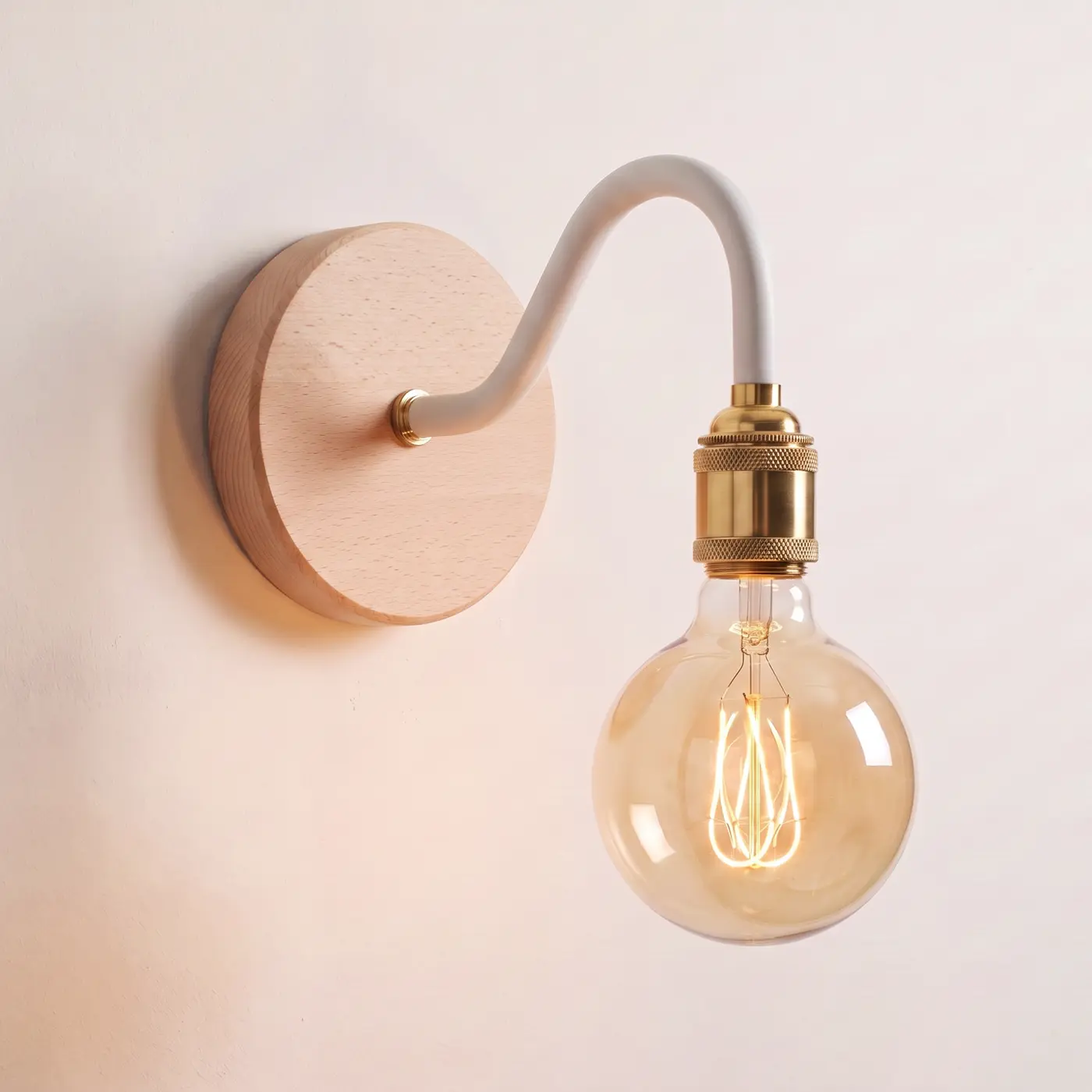
white and brass on beech
Swan Neck Wall Light
£95.00
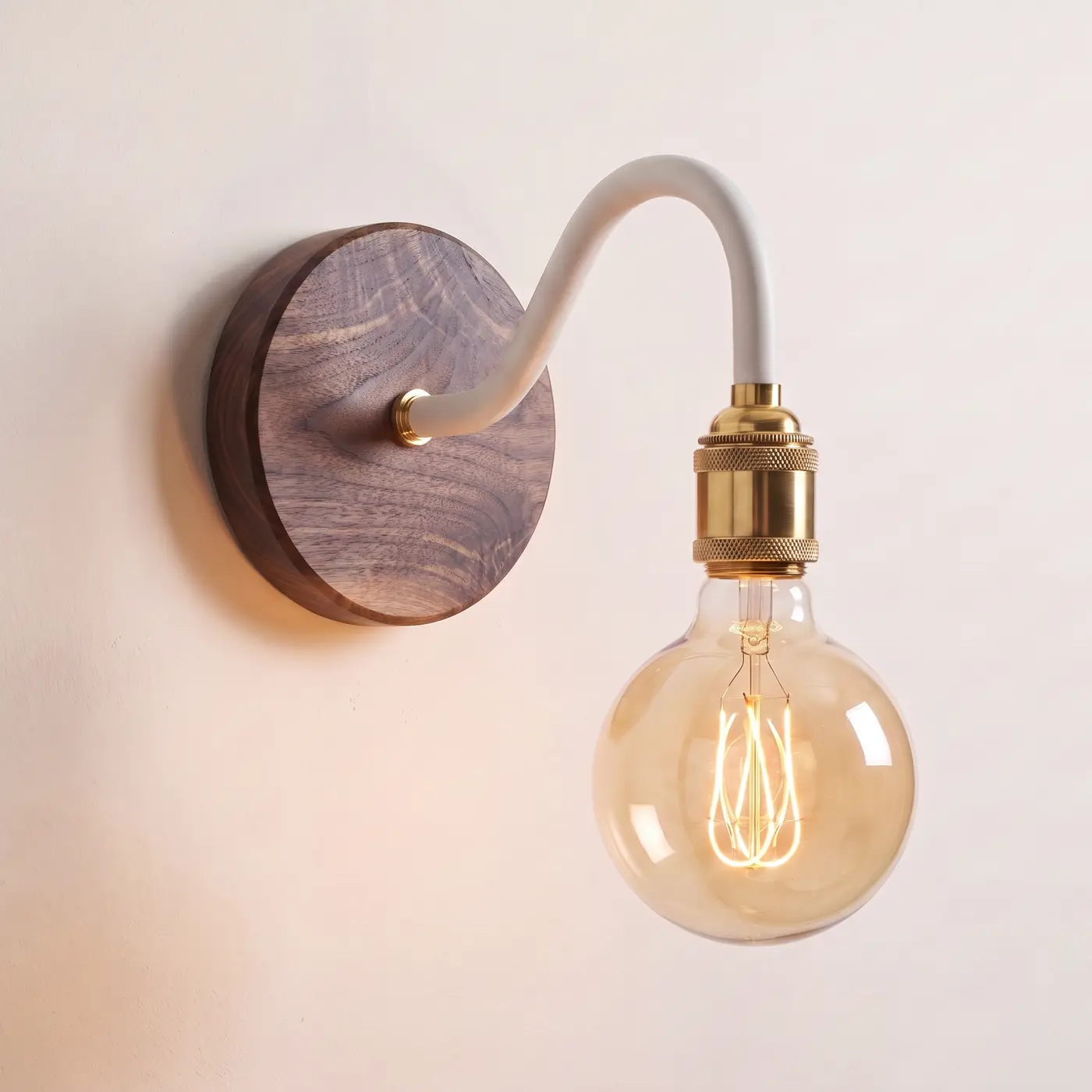
white and brass on walnut
Swan Neck Wall Light
£95.00
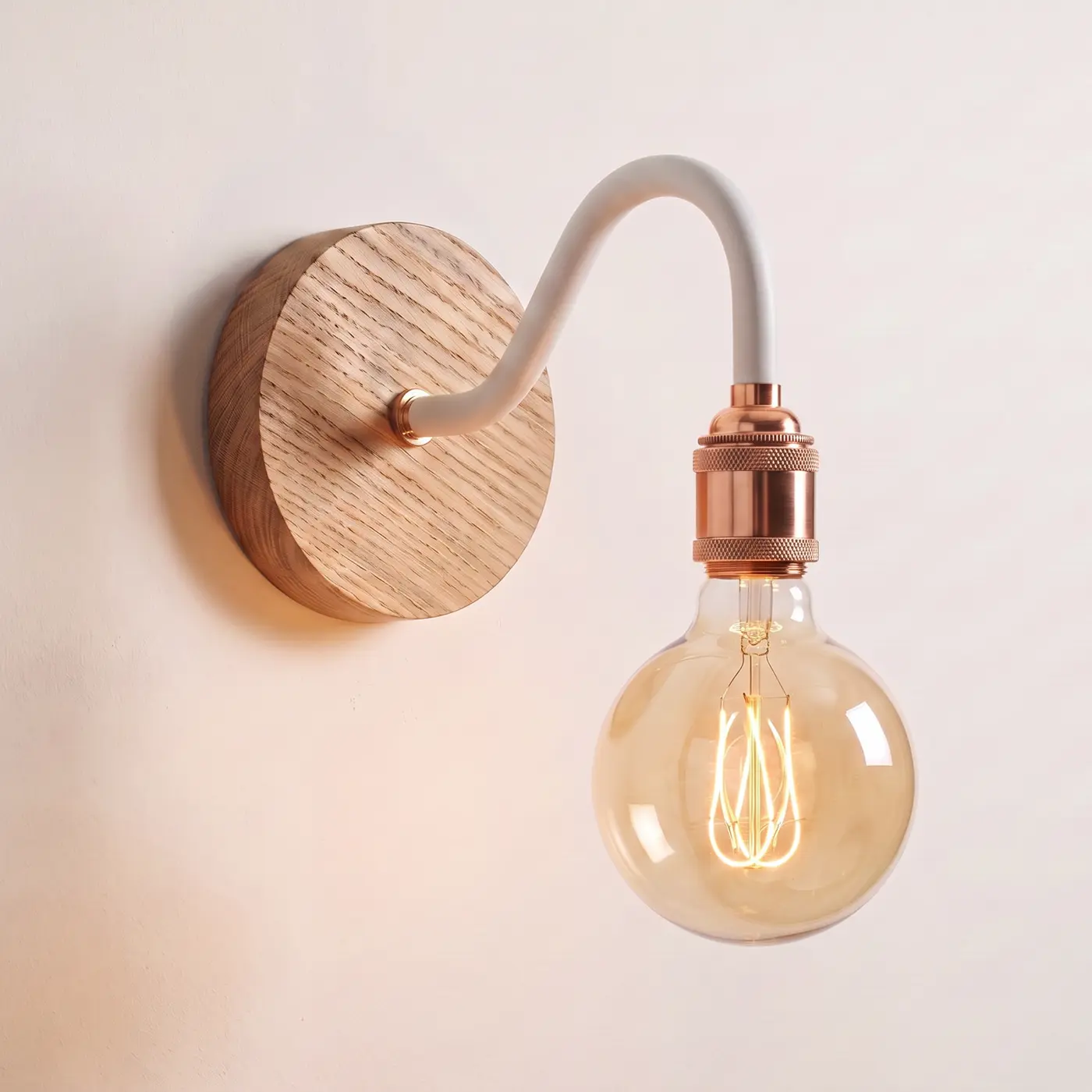
white and copper on natural oak
Swan Neck Wall Light
£95.00
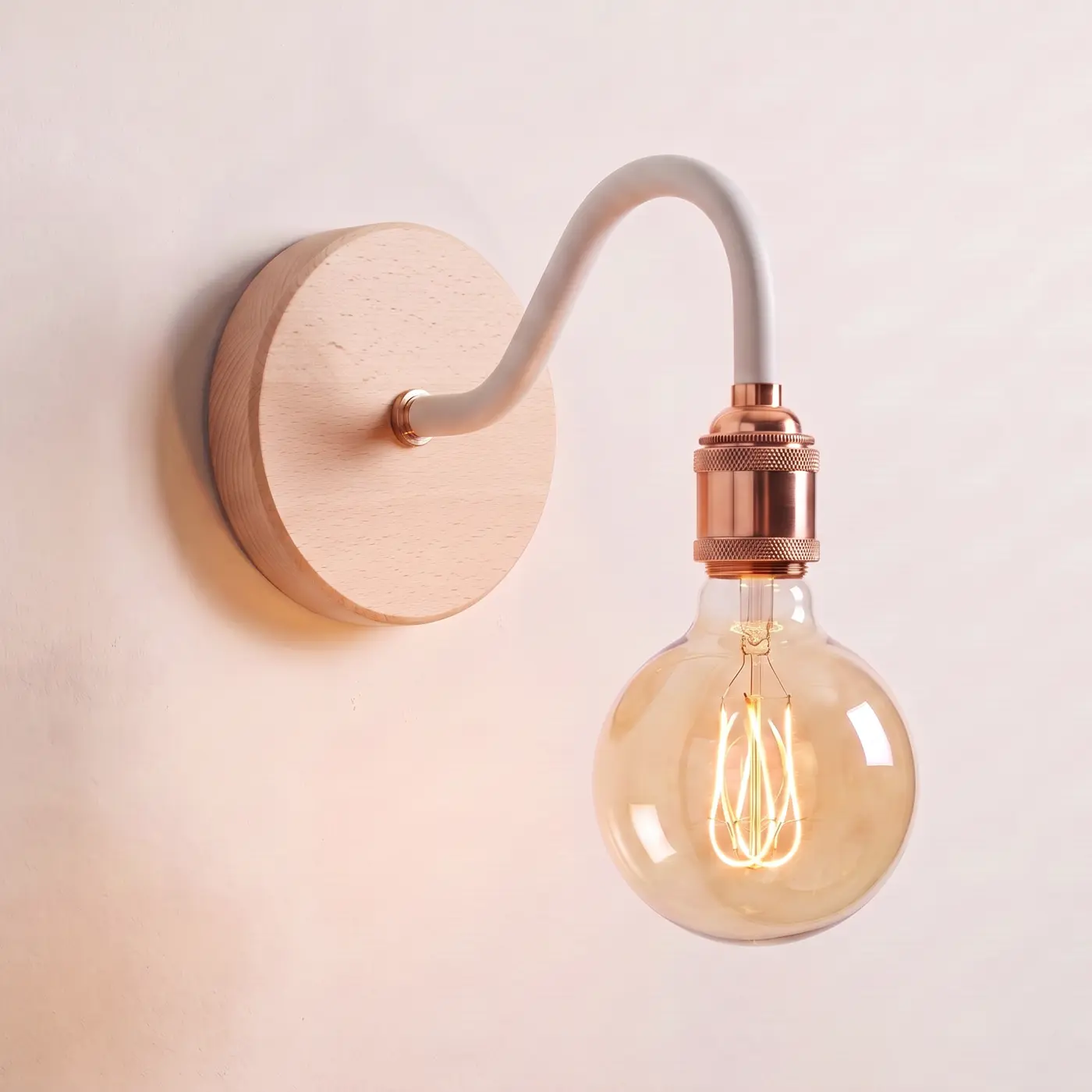
white and copper on beech
Swan Neck Wall Light
£95.00
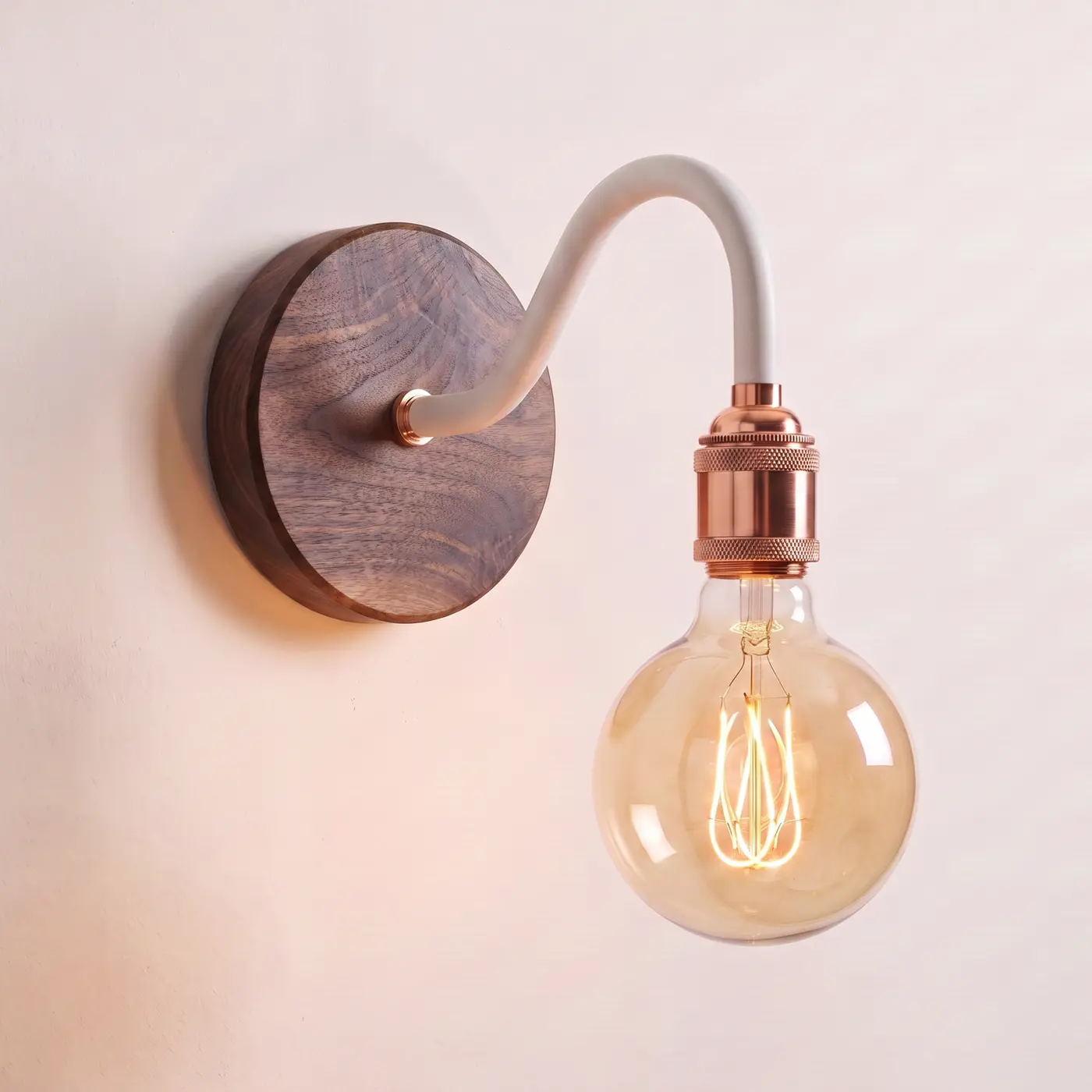
white and copper on walnut
Swan Neck Wall Light
£95.00
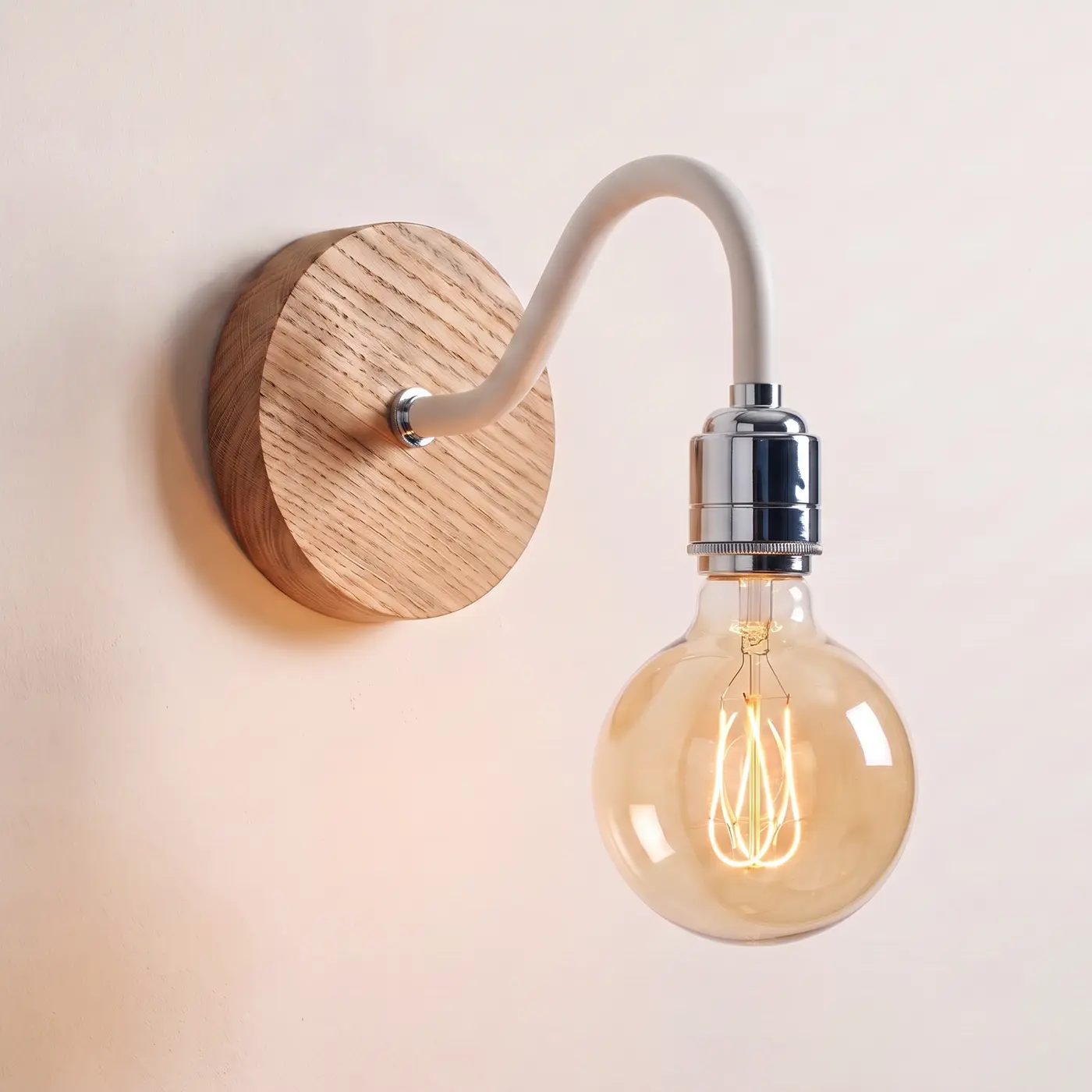
white and chrome on natural oak
Swan Neck Wall Light
£95.00
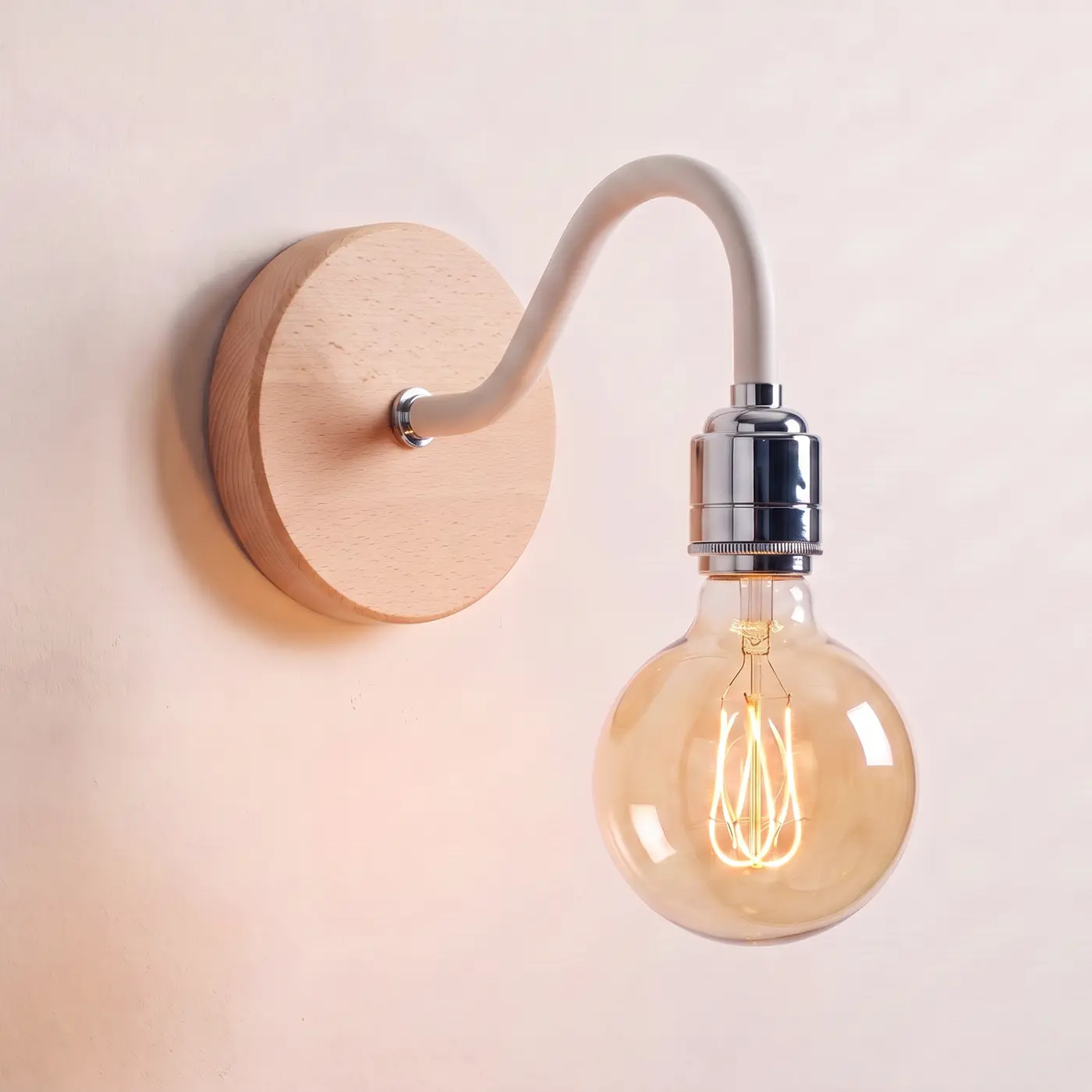
white and chrome on beech
Swan Neck Wall Light
£95.00
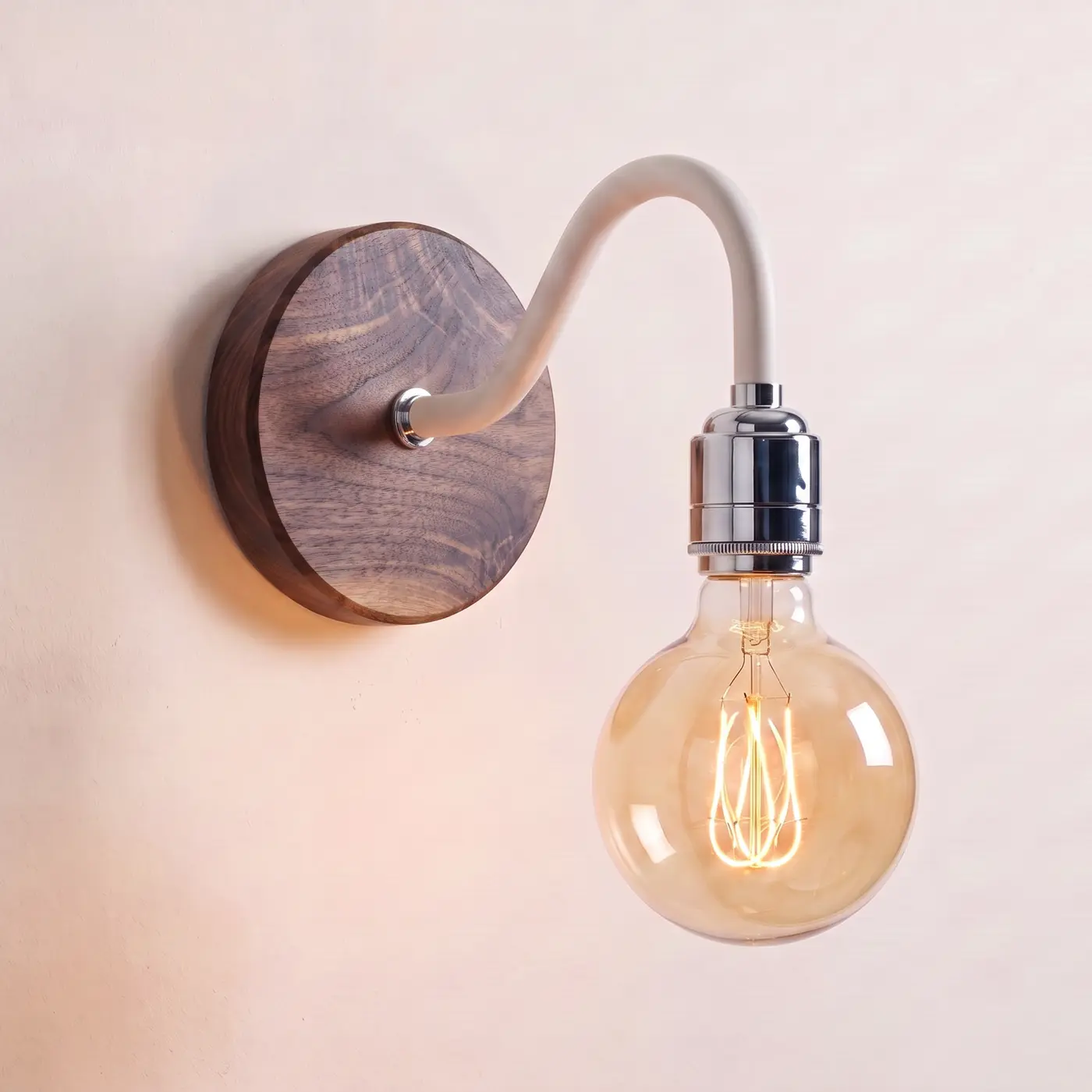
white and chrome on walnut
Swan Neck Wall Light
£95.00
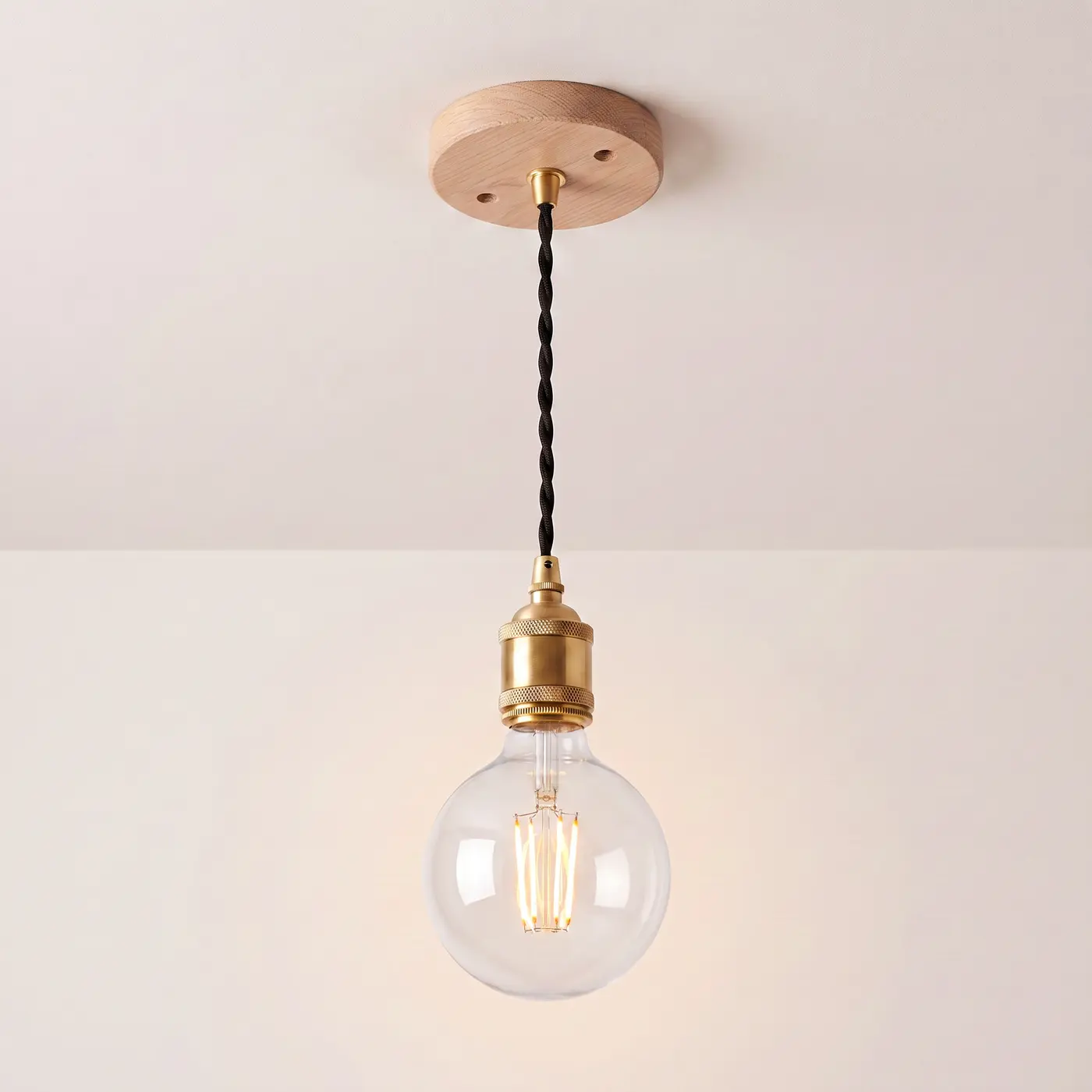
brass on natural oak
Pendant Light on a Turned Wood Ceiling Rose
£50.00
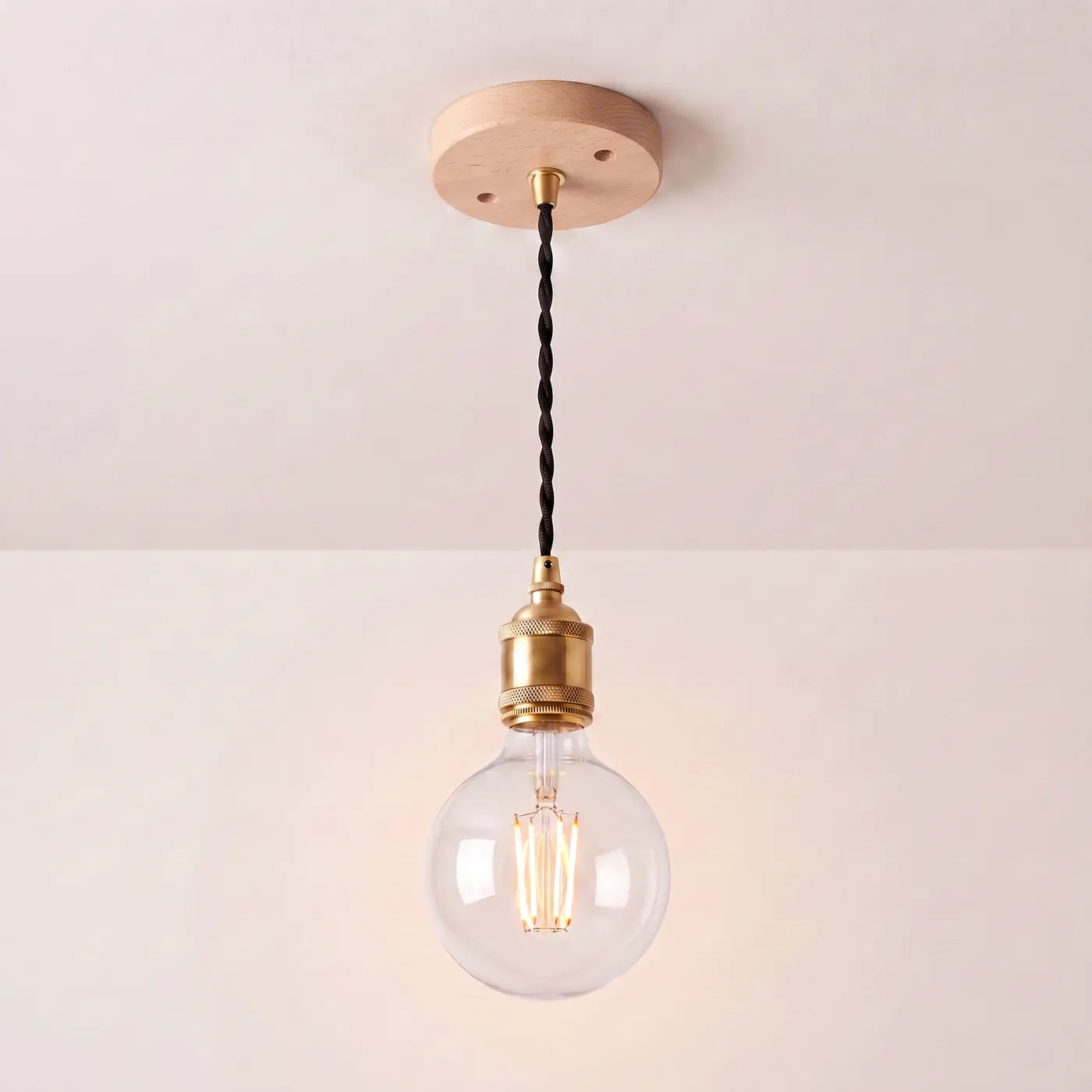
brass on beech
Pendant Light on a Turned Wood Ceiling Rose
£50.00
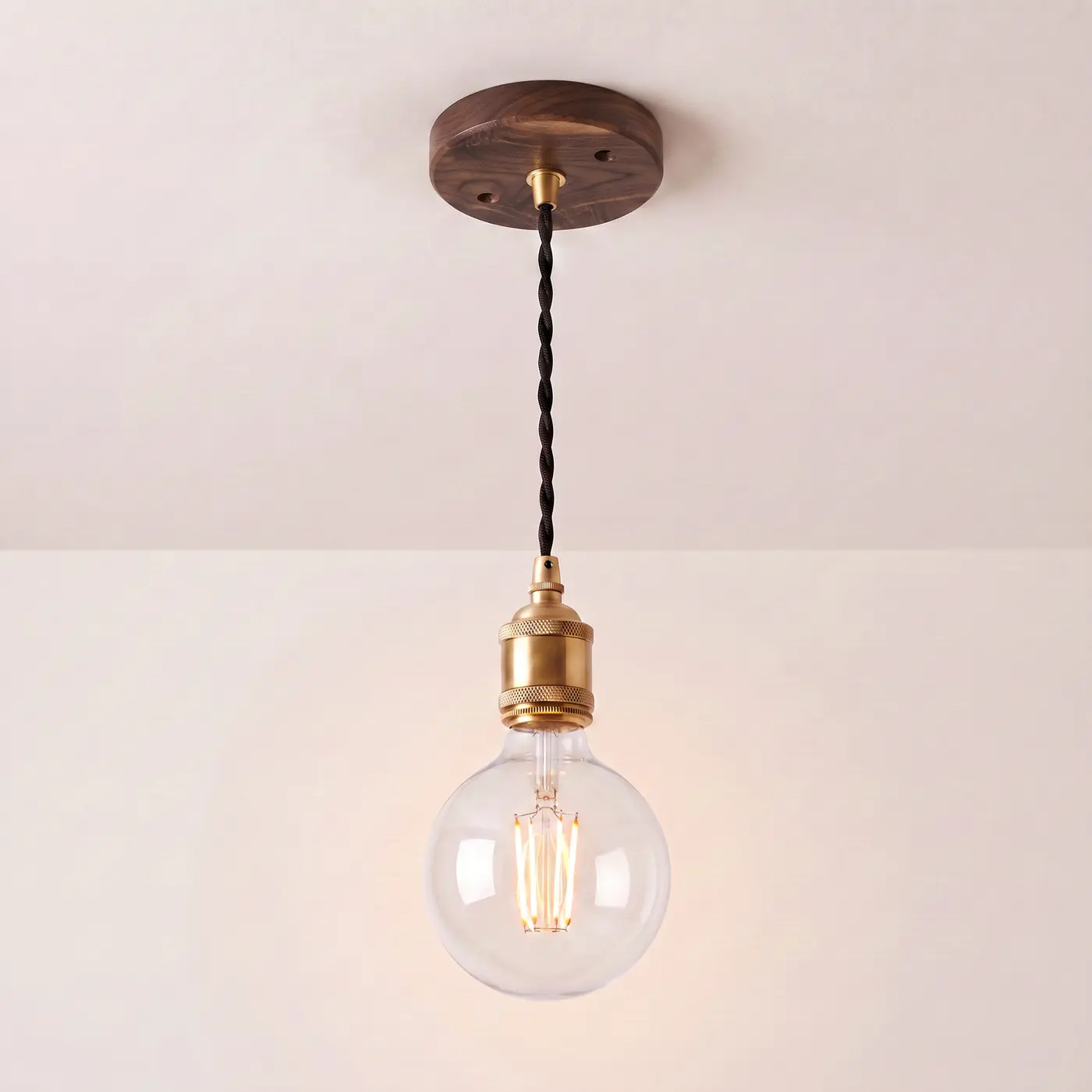
brass on walnut
Pendant Light on a Turned Wood Ceiling Rose
£50.00
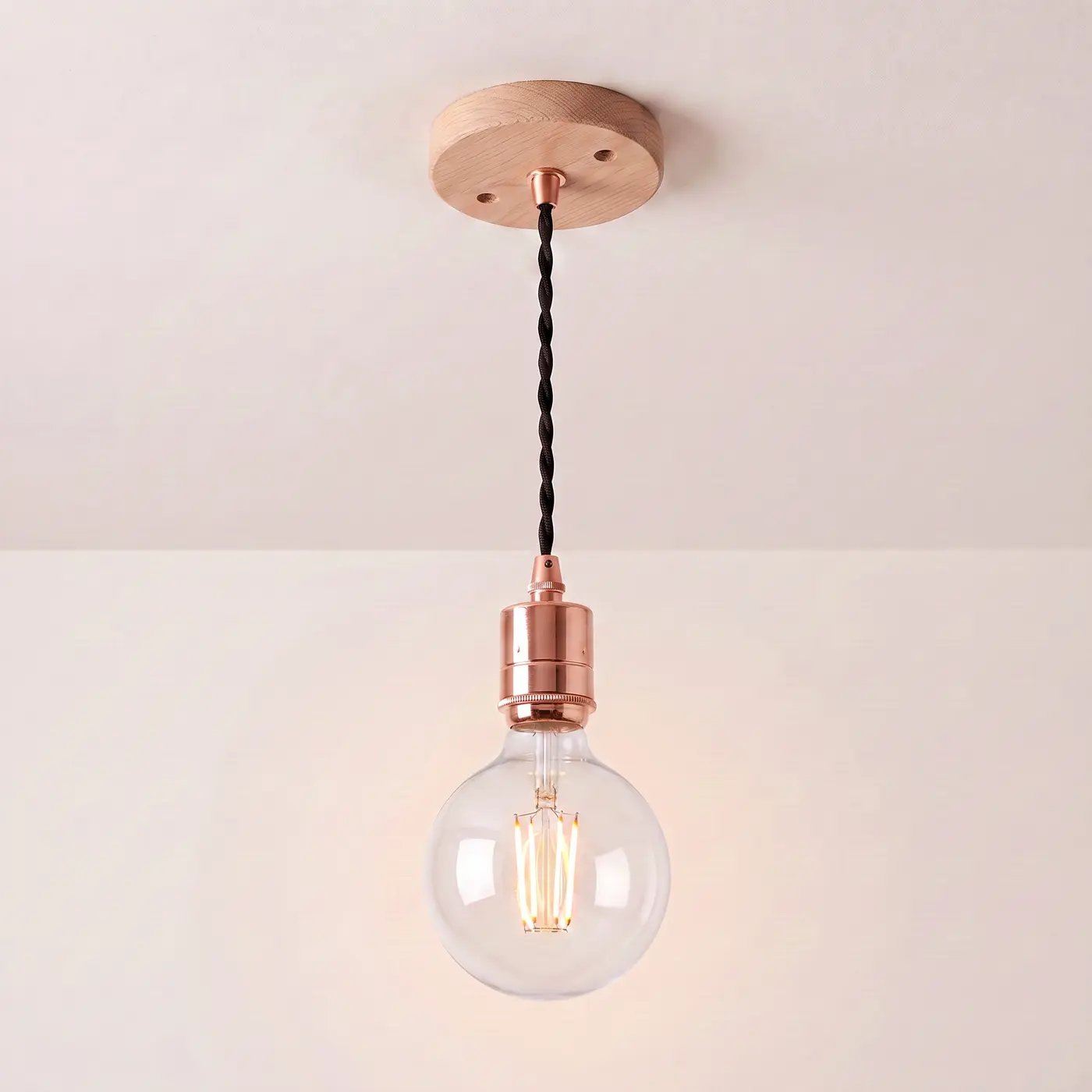
copper on natural oak
Pendant Light on a Turned Wood Ceiling Rose
£50.00
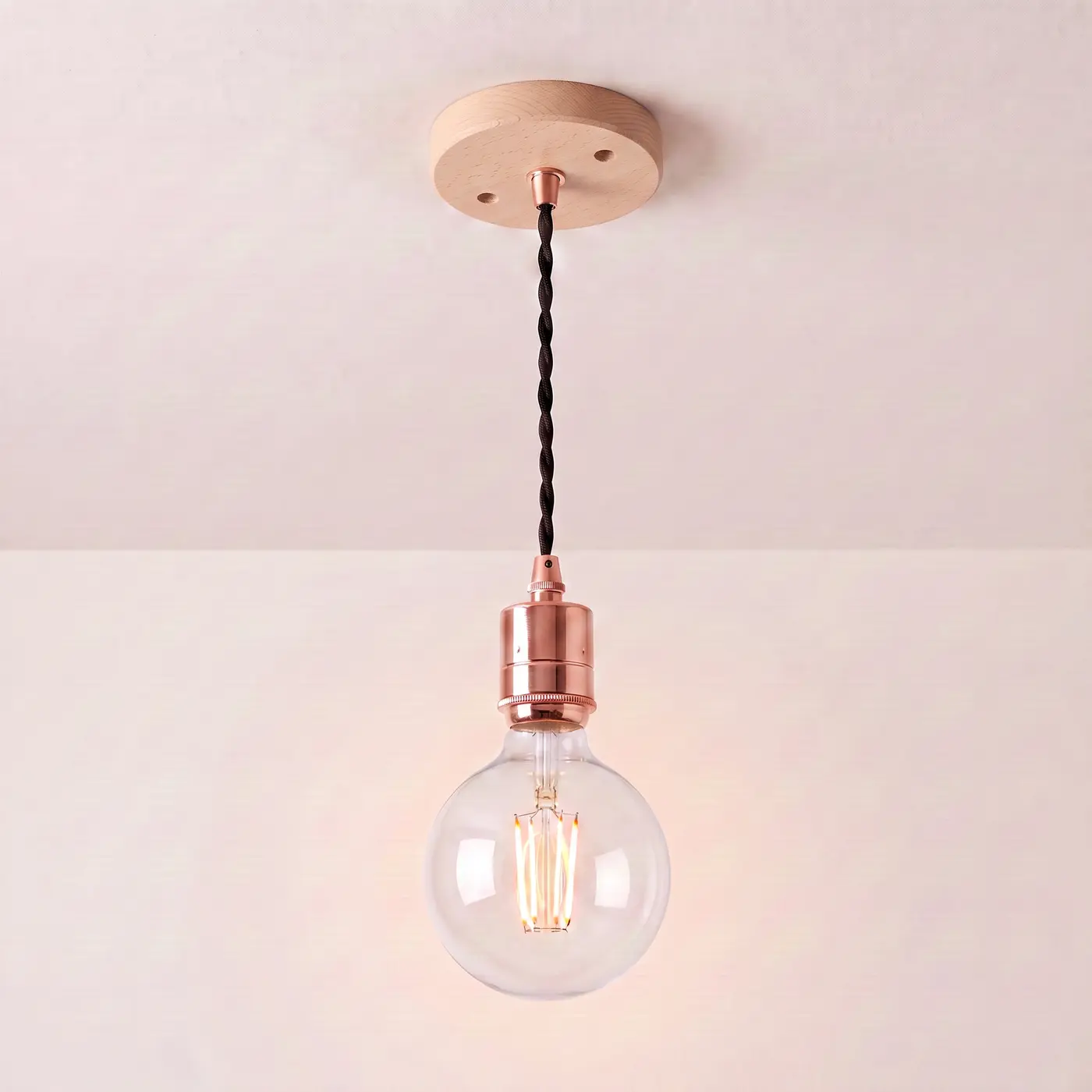
copper on beech
Pendant Light on a Turned Wood Ceiling Rose
£50.00
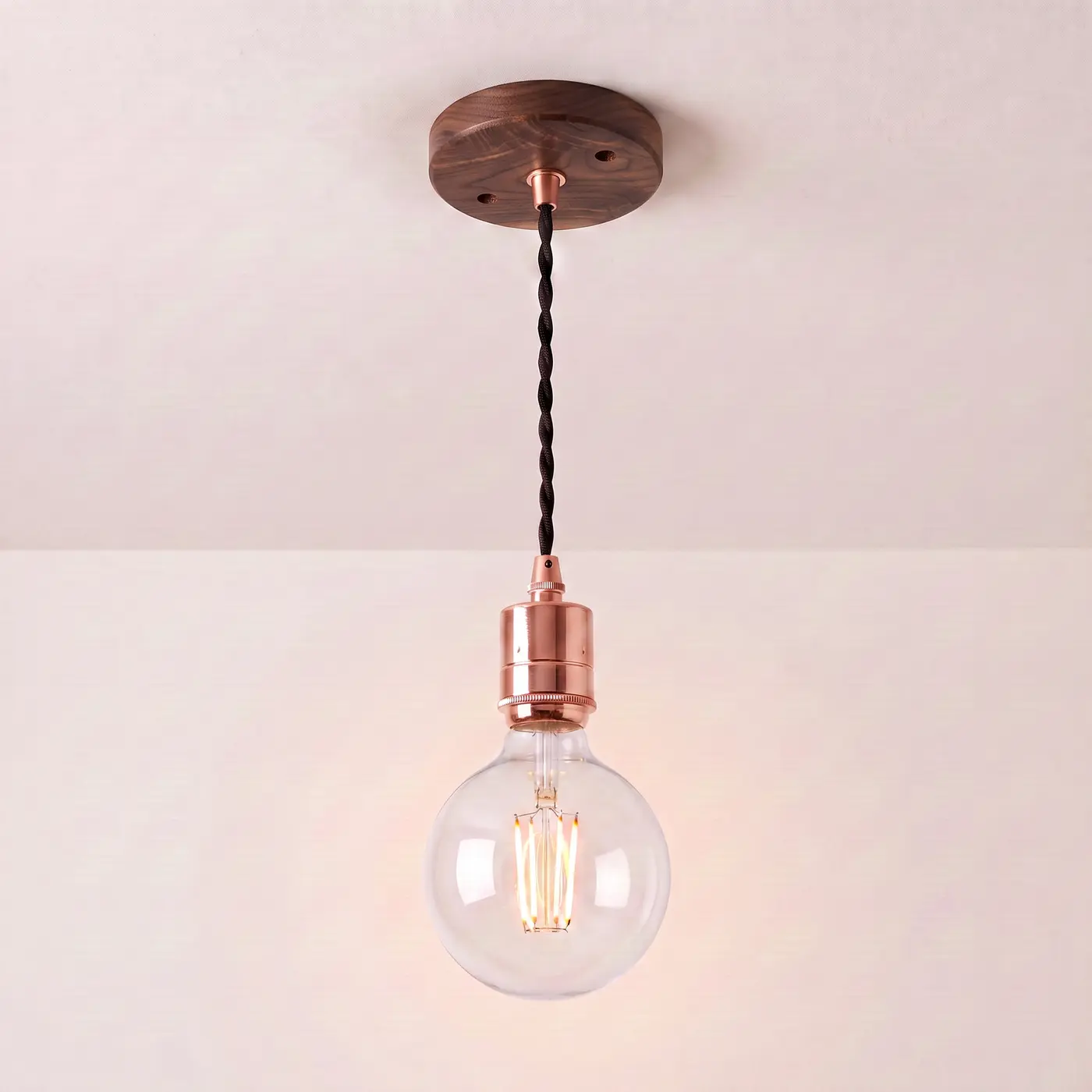
copper on walnut
Pendant Light on a Turned Wood Ceiling Rose
£50.00
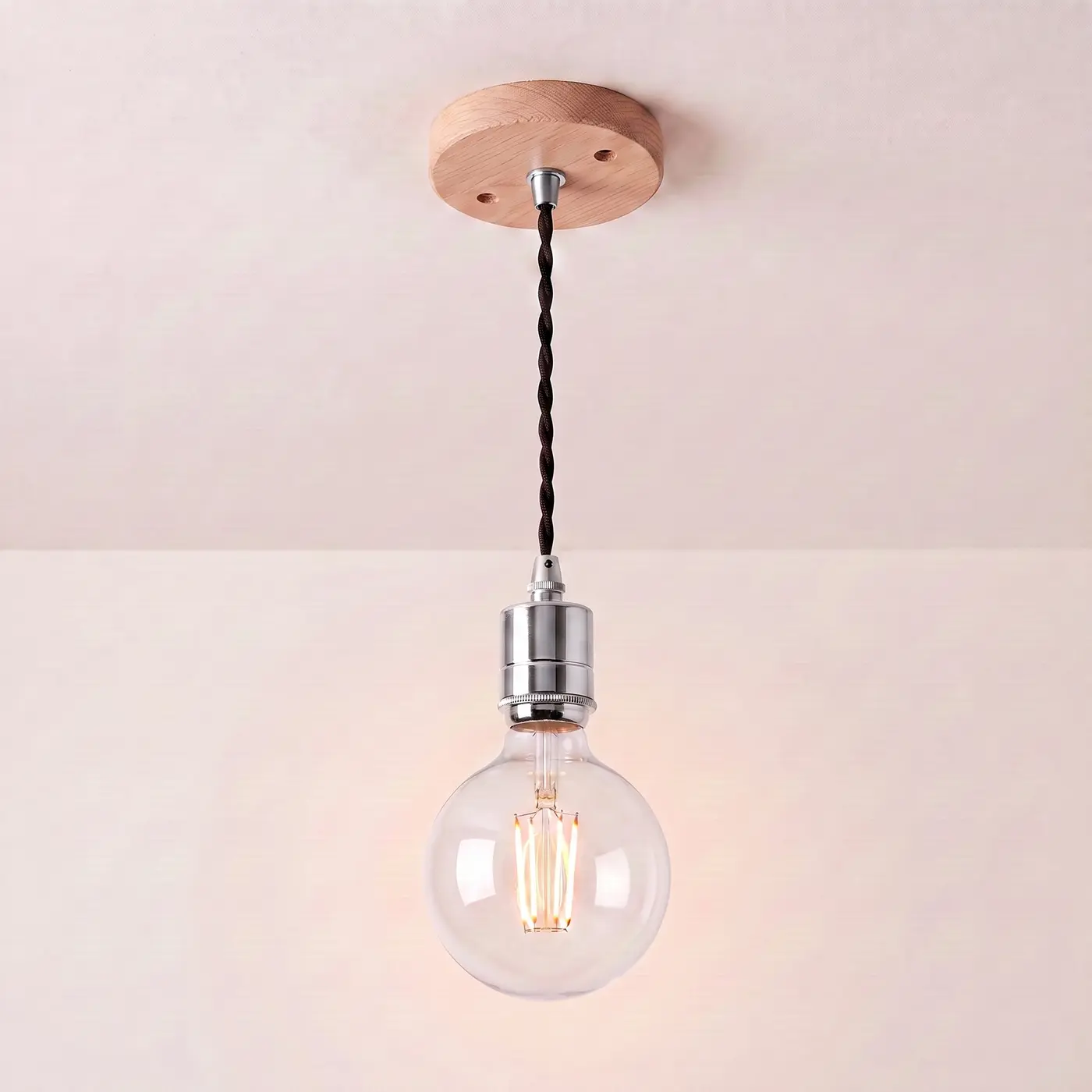
chrome on natural oak
Pendant Light on a Turned Wood Ceiling Rose
£50.00
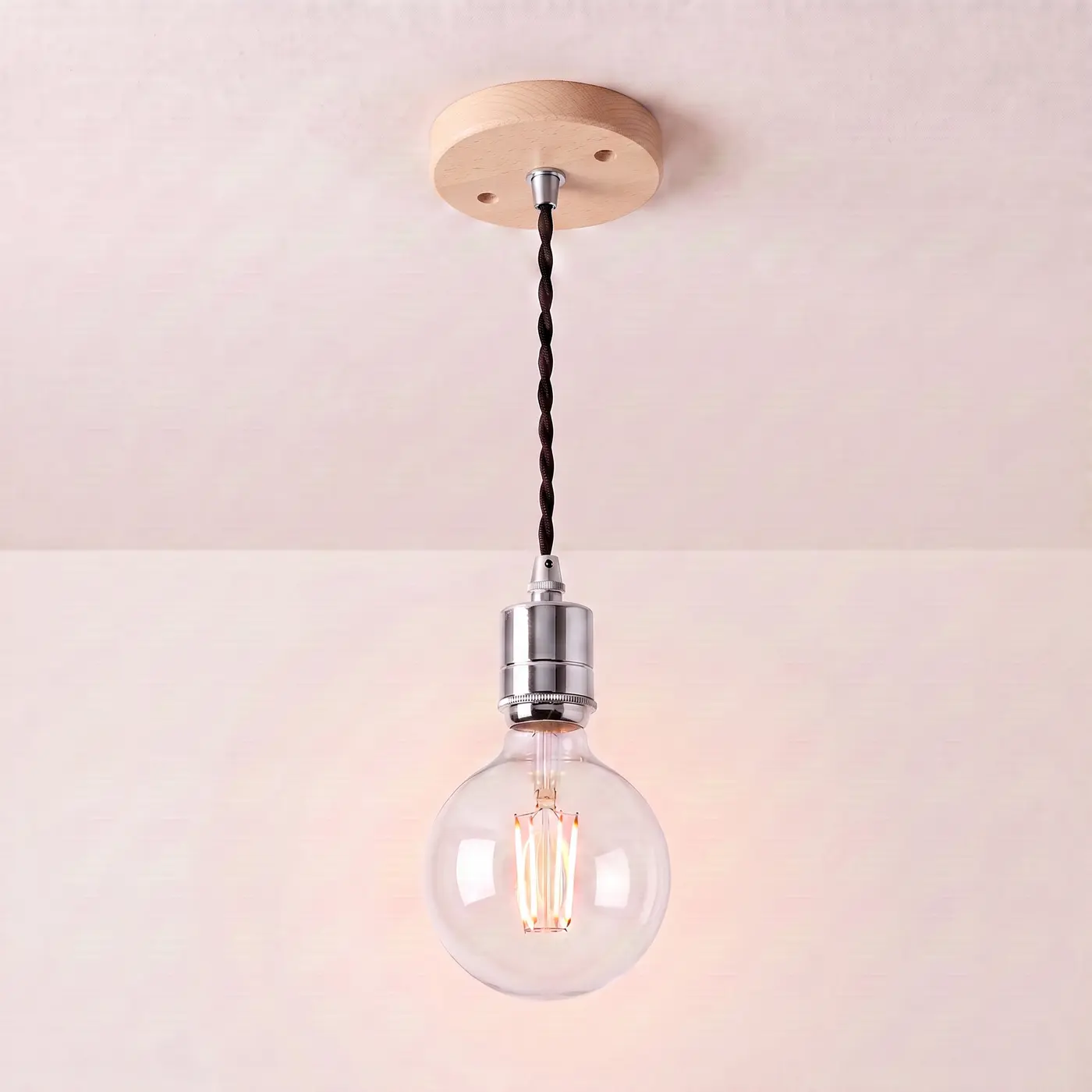
chrome on beech
Pendant Light on a Turned Wood Ceiling Rose
£50.00
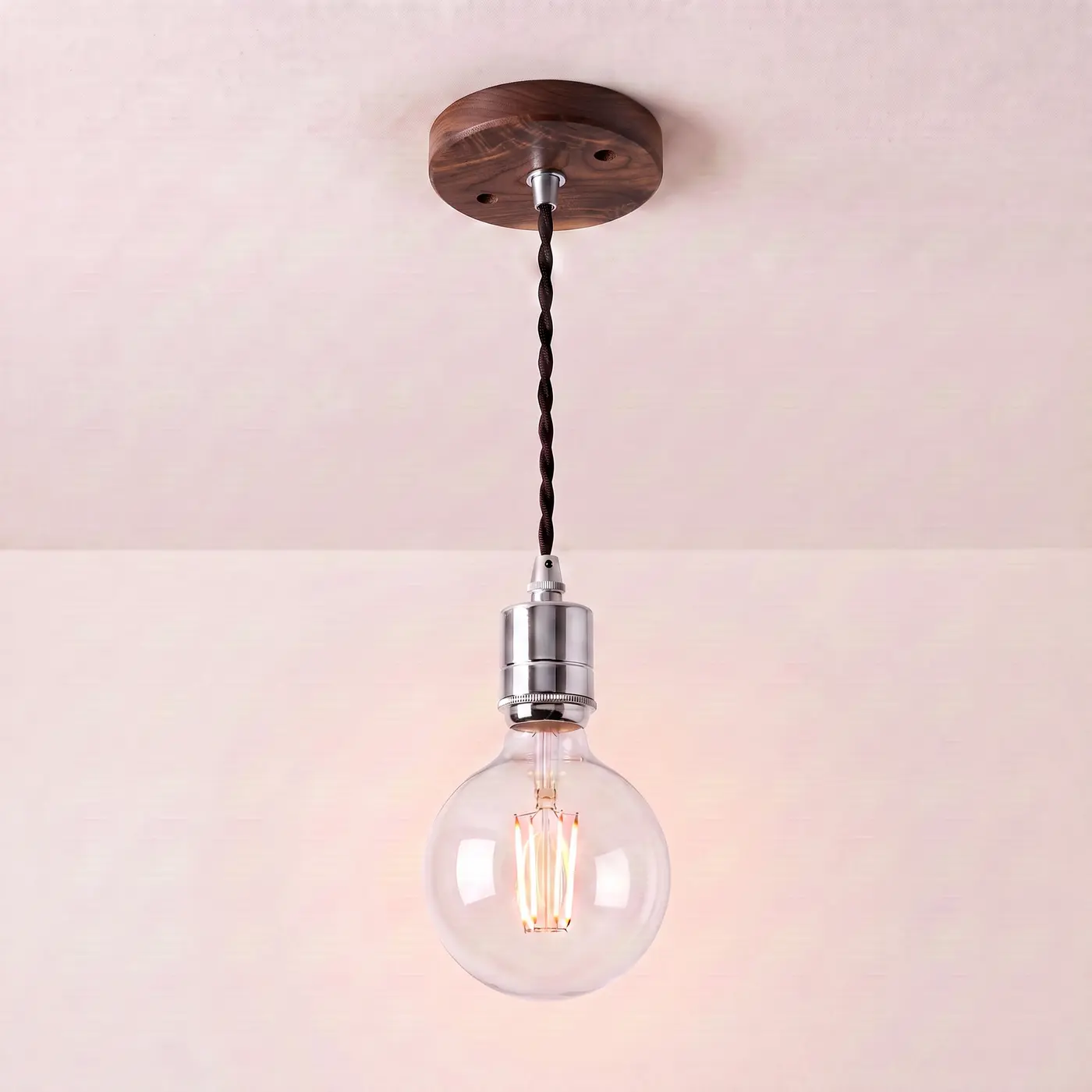
chrome on walnut
Pendant Light on a Turned Wood Ceiling Rose
£50.00